
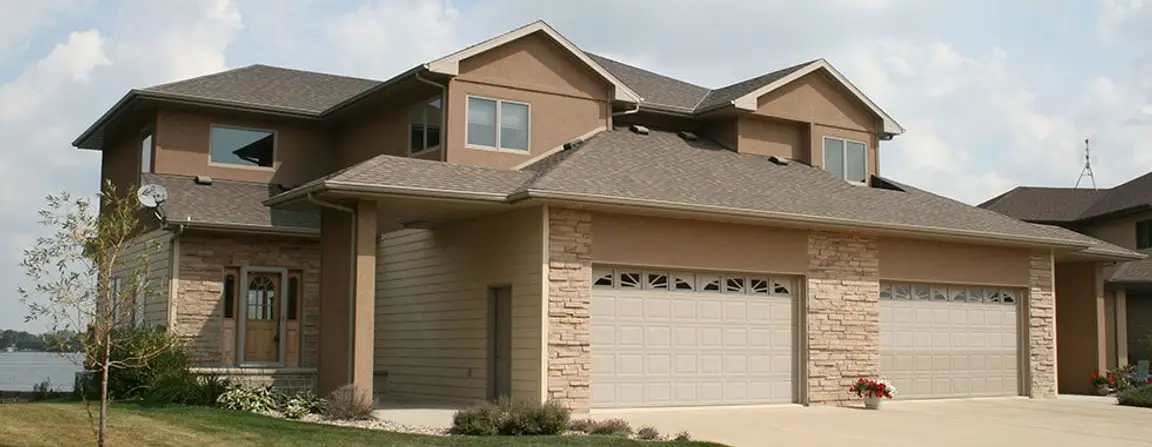

A finished basement, converted garage, or added bathroom can make a house more useful. But when you decide to sell, a missing building permit may turn that improvement into a difficult question: Can the buyer finance the house? Will the city require changes? Must you spend money before closing?
You can potentially sell a house with unpermitted work in Newark, DE. Your options depend on what was built, whether a permit was actually required, the property’s jurisdiction, and how the buyer and lender respond. You might verify existing approvals, pursue corrective permits, negotiate an as-is transaction, or compare a direct cash offer.
The first step is not demolishing the improvement or immediately reducing your asking price. It is determining exactly what the local records show. This guide explains that process, Delaware disclosure rules, realistic costs, and how to compare the proceeds from different selling approaches.
Can You Sell a House With Unpermitted Work in Newark, DE?
Yes, potentially. There is no universal rule that every house with an unpermitted alteration must be repaired before it can transfer. But a sale does not erase a permit violation, guarantee financing, or make an unsafe improvement acceptable.
Consider a finished basement near downtown Newark. Its owner remembers hiring a contractor years ago but cannot find the permit. Before calling it an illegal basement, the seller should check whether a permit was required, whether one was issued, and whether the final inspection was completed.
Three outcomes are possible: the work was approved but records were misplaced; it required approval that was never obtained; or the specific work did not require the permit the owner assumed it did. Each outcome calls for a different response.
Unpermitted Work, Open Permits, and Code Violations: What’s Different?
These terms are often mixed together, although they describe separate problems.
Unpermitted work means an improvement was completed without an approval that was required. An open permit means a permit exists but may lack a final inspection, sign-off, or formal closure. A code violation means the responsible authority has identified a condition that does not satisfy an applicable requirement.
A bathroom can have an open plumbing permit without the entire renovation being unpermitted. Conversely, a newly enclosed room may lack the necessary approvals even if no violation notice has been issued.
Do not market a room as legally approved living space simply because it is finished and used that way. Ask the responsible building department and a qualified professional to determine its status. Our Newark failed-inspection guide covers the separate issue of an inspection objection after a buyer signs a contract.
Which Home Improvements May Require Permits in Newark?
The City of Newark Building Permits Division identifies projects commonly requiring permits. Examples include additions, alterations to floor plans or wall openings, new electrical circuits, service changes, mechanical installations, and conversions of garages, porches, or basements to living or sleeping space.
Other work can also require approval, including certain decks, fences, accessory structures, roofing, siding, and structural repairs. The permit requirement depends on the exact scope and applicable rules; do not assume that every cosmetic update needs approval.
Converting a Garage or Finishing a Basement
These changes deserve attention because a room marketed as a bedroom may need compliant emergency escape openings, ceiling height, ventilation, heating, and other features. Zoning or occupancy limits may also matter.
Adding a Bathroom or Changing Electrical Service
Plumbing and electrical alterations can trigger their own permit and inspection requirements. A new bathroom with attractive finishes is not evidence that concealed pipes, wiring, or venting were reviewed.
Decks, Additions, and Structural Changes
Structural work can raise questions about footings, setbacks, load-bearing components, and the approved building footprint. Review our New Castle foundation-problems guide if the issue also involves structural damage.
Newark City Limits or New Castle County: Who Has Jurisdiction?
A Newark mailing address does not necessarily mean the property lies inside Newark city limits. That distinction changes which office should handle your questions.
For a home inside the city, contact the Newark Code Enforcement Division, 302-366-7000, at 220 South Main Street. City inspectors review permitted work and related code requirements.
For an unincorporated New Castle County property, start with New Castle County Permits & Inspections. County Planning & Permits can be reached at 302-395-5400. The county also provides a permit-status lookup using project or address details.
Do not pay for a city permit based solely on the postal address. First establish the parcel’s jurisdiction, then request the records for that specific property.
How to Check Whether Previous Work Was Permitted
Start with the building department, then compare its records with what exists at the property.
- Identify the improvement. Record what changed, approximately when it was built, and which contractor performed the work if known.
- Collect evidence. Look for invoices, photographs, inspection cards, plans, permits, and contractor communications.
- Request the permit history. Ask the correct jurisdiction about issued permits, outstanding inspections, expiration, and any enforcement notices.
- Verify the scope. A permit for a water heater does not necessarily cover a new bathroom or structural changes made at the same time.
- Document the result. Keep written correspondence and available approvals for buyers, agents, and settlement professionals.
The Newark Code Enforcement forms page provides permit-related forms and guidance. For work in the county, the county inspection information explains inspection administration.
An online record search is useful but not always conclusive. If older documentation is missing, ask staff how to obtain available archived records or determine the next steps.
Can You Get a Permit After the Work Is Finished?
Possibly, but after-the-fact approval is not automatic. Contact the authority before promising a buyer that the issue is easily fixable.
A typical evaluation may involve reviewing plans, confirming the applicable code and zoning requirements, obtaining permits, arranging inspections, and making corrections. The city or county will determine what is actually required for the project.
One issue deserves special attention: documentation may cover only part of a renovation. A permit for an electrical panel does not necessarily approve a basement bedroom, and a plumbing inspection does not certify structural framing. Ask which disciplines received approval and whether the records cover the entire improvement. If a buyer requests proof, provide the actual documents rather than describing the space as “fully permitted.” This can prevent misunderstandings over how the renovated area may legally be used or valued.
Step 1: Describe the Existing Work Accurately
Tell the building department what was changed and whether the work is accessible for inspection. A simple replacement and a structural conversion may follow very different paths.
Step 2: Ask What Documentation Is Needed
Officials may request drawings, contractor details, professional evaluations, or other supporting information. Some work may need inspections that were originally intended to occur before walls or ceilings were covered.
Step 3: Evaluate Potential Corrections
If concealed construction cannot be verified, exposing certain areas or correcting noncompliant components may be necessary. A qualified contractor can help estimate the scope; the authority decides what it will accept.
Step 4: Obtain Final Sign-Off
Keep copies of completed inspections and approvals. An issued permit that remains open is not equivalent to a final approval.
Avoid a contractor who promises to “legalize everything” for a fixed amount without examining the project and speaking with the appropriate office.
What If the Work Cannot Be Approved as Built?
Occasionally a problem extends beyond missing paperwork. A converted room may violate setback rules, lack adequate egress, or have structural conditions that cannot remain unchanged.
Possible outcomes include modifying the improvement, removing a noncompliant feature, changing how the space is advertised, or negotiating a sale with the issue clearly identified. The available options depend on the authority’s requirements and the purchase agreement.
If the city has issued a notice, read its deadlines and instructions. Do not assume a transfer will cancel the notice or shift every responsibility to the next owner. Our Milford code-violations guide discusses that related but distinct situation.
Where zoning is involved, a building permit alone may not settle whether the use is permitted. Ask about both questions before committing to a renovation.
Must You Disclose Unpermitted Work When Selling in Delaware?
Delaware’s Buyer Property Protection Act requires covered residential sellers to disclose known material defects in writing, subject to statutory exemptions.
Under § 2572, disclosure is required before the seller signs a listing agreement and must be updated for material changes before settlement. Section 2573 requires delivery of the approved property condition report before the buyer makes an offer.
The Delaware Real Estate Commission’s seller disclosure report asks about additions or structural changes, whether required permits and approvals were obtained, and whether permits were closed. Electrical and other system sections also address related work.
What If You Didn’t Do the Renovation?
A previous owner may have installed the improvement. Explain what you actually know rather than guessing about their permits. If you have been told work was unpermitted, do not falsely mark it as approved. If its status is uncertain, obtain records and answer the form accurately, using the form’s instructions for unknown information.
Does Selling As-Is Avoid Disclosure?
No. An as-is sale generally concerns who agrees to perform repairs; it does not automatically remove statutory disclosure duties. Certain transfers are exempt under § 2577, so a Delaware real estate attorney can help with unusual circumstances.
Disclosure is not the same as a safety certification. Buyers can still seek inspections and verify permit records independently.
Can Unpermitted Work Affect a Mortgage or Appraisal?
Yes, but the result is not automatically a loan denial. The type of improvement, safety concerns, appraisal treatment, and lender requirements all matter.
Fannie Mae’s appraisal guidance states that when an appraiser identifies an addition without the required permit, the appraisal must address the quality and appearance of the work and its effect, if any, on market value.
That differs from assuming every unpermitted room makes a house ineligible for financing. However, the buyer’s lender may request documentation, refuse to give the space its expected value, or require that a material property issue be resolved.
For government-backed loans, consult the applicable program rather than assuming identical rules. HUD’s FHA Single Family Housing Policy Handbook provides the relevant framework for FHA loans.
Ask the buyer’s lender exactly what condition must be satisfied before closing. A price credit will not necessarily resolve a required repair or appraisal issue.
Four Options for Selling a Newark House With Unpermitted Work
1. Verify That the Work Was Properly Approved
Sometimes the paperwork is simply incomplete. Finding an old permit and final inspection can resolve the question without construction or a price concession. Start here before pursuing expensive changes.
2. Correct the Permit Problem Before Listing
This may help when the required work is affordable, legally approvable, and important to buyers. Obtain a written scope and realistic cost estimate. Do not start major demolition before the authority explains what evidence or corrections it needs.
3. List the Property As-Is With Accurate Information
A traditional buyer may accept the condition, especially when the issue is disclosed and the price reflects the uncertainty. However, lender concerns, contract contingencies, and future inspection findings can still affect closing.
4. Compare a Direct Cash Offer
Some buyers purchase homes with undocumented improvements or substantial repair needs. An offer may account for corrective work, risk, and resale expenses, so the price could be lower than a retail listing.
A cash transaction does not provide immunity from municipal requirements. Review how Dynamic Property Solutions buys houses and our guide to evaluating cash home buyers before deciding.
Newark Example: Which Selling Option Leaves More Money?
Imagine a Newark homeowner who discovers a finished basement may lack required approvals. A contractor offers an estimated corrective-work price, but final requirements remain subject to the building department’s review.
The owner compares fixing the issue, negotiating an as-is listing, and accepting a direct offer.
All numbers are hypothetical, not Newark market averages, government fees, actual contractor bids, or offers from Dynamic Property Solutions.
| Financial factor | Correct and list | List as-is | Direct cash sale |
|---|---|---|---|
| Sale price | $340,000 | $316,000 | $290,000 |
| Mortgage payoff | $195,000 | $195,000 | $195,000 |
| Permit and corrective work | $16,000 | $0 | $0 |
| Selling and settlement costs | $19,000 | $18,000 | $6,000 |
| Holding costs | $4,000 | $5,000 | $2,000 |
| Estimated net proceeds | $106,000 | $98,000 | $87,000 |
Here, correcting the permit issue and listing produces $8,000 more than selling as-is, provided the estimated repair costs and selling prices are accurate. However, unexpected corrective work, additional inspections, or closing delays could change the outcome. A direct sale has the lowest projected proceeds, although the model assumes less waiting and lower transaction costs.
If corrective costs rise or the work cannot be approved, the comparison changes. Conversely, if the existing improvement was already permitted, spending $16,000 may be unnecessary.
Compare written estimates, realistic offers, and the likelihood of closing—not just headline prices.
What If a Buyer Discovers the Issue After Signing?
Review the purchase agreement, inspection contingency, financing requirements, and deadlines. The buyer may seek documentation, repairs, a price adjustment, or contract termination when allowed by the agreement.
Do not assume every discovery permits cancellation, or that a seller credit will solve a lender objection. Ask the agent and settlement professionals to clarify the required action before signing an amendment.
Our Newark guide to selling after a failed inspection explains the inspection-negotiation process in more detail.
How Long Does It Take to Resolve Unpermitted Work?
There is no reliable universal timeline. Locating an existing inspection record may be straightforward, while designing a corrective plan, scheduling contractors, and obtaining final approval can require substantially more time.
Ask the authority about the actual project’s review, inspection, and documentation requirements. Do not promise a buyer a fixed closing date based on an estimate that excludes possible corrections.
If the house is vacant, ongoing insurance, utility, and security costs should also be included. See our Delaware vacant-house selling guide.
Mistakes to Avoid Before Selling
- Assuming missing paperwork proves illegal construction. Verify permit history first.
- Calling unfinished space a legal bedroom. Confirm occupancy and egress requirements.
- Accepting a fixed legalization estimate too soon. Actual corrective work may be different.
- Concealing known information. Complete applicable Delaware disclosures accurately.
- Ignoring an open permit. An issued permit may still need final sign-off.
- Assuming cash eliminates building-code obligations. Requirements can remain after a transfer.
Checklist: Selling a Newark House With Unpermitted Work
- Identify the renovation: Note its scope, location, and approximate date.
- Confirm jurisdiction: Determine whether Newark or New Castle County regulates it.
- Request permit records: Look for applications, inspection results, and closure.
- Contact the authority: Ask whether further evaluation or approval is required.
- Obtain qualified estimates: Separate documentation costs from actual corrections.
- Check safety issues: Address urgent electrical, structural, or egress concerns.
- Complete disclosures: Accurately explain known work and permit status.
- Compare net proceeds: Review corrective work, listing, and direct-sale options.
- Review contract requirements: Confirm financing, inspection, and closing terms.
- Keep records: Provide relevant documents to the buyer and settlement team.
For related questions, read our Delaware home-selling FAQs.
Frequently Asked Questions About Selling a House With Unpermitted Work in Newark, DE
1. Can I sell a house with unpermitted work in Newark, DE?
Yes, potentially. The work’s condition, required approvals, disclosures, and the buyer’s financing or contract requirements determine the practical options.
2. Do I have to get permits before selling my Newark house?
Not automatically in every situation. Ask the responsible building department which permits, inspections, or corrections are required for the specific work.
3. Can Newark approve renovations after they are completed?
Possibly. After-the-fact review may require plans, inspections, corrections, or access to concealed work. Approval is not guaranteed.
4. What’s the difference between an open permit and unpermitted work?
An open permit was issued but may lack final sign-off. Unpermitted work lacked an approval that was required.
5. Must sellers disclose unpermitted renovations in Delaware?
Covered sellers must disclose known material defects and answer the state property condition report accurately, subject to statutory exemptions.
6. Will unpermitted work prevent a buyer from getting a mortgage?
Not necessarily. Appraisal treatment, safety, the improvement’s use, and lender requirements determine whether financing can proceed.
7. Can I sell my Newark house as-is with an open permit?
Potentially. An open permit may affect inspections, financing, or closing. Required disclosures, municipal requirements, and the buyer’s contract terms still apply.
8. Will a cash buyer purchase a house with unpermitted work?
Some may. Their offers reflect property condition and risk, and a cash sale does not bypass applicable permit or code requirements.
Explore Your Options for Selling a House With Unpermitted Work in Newark, DE
A renovation without clear paperwork does not automatically prevent a sale. But guessing about its status can lead to unnecessary expenses, negotiations, and delays. Confirm what the records show, understand any corrective requirements, and compare what each selling option could leave you after costs.
Dynamic Property Solutions considers direct purchases of Newark properties, including some homes with undocumented improvements or significant repairs. Any offer depends on the property’s condition, ownership, and agreed terms; regulatory obligations are not waived by selling directly.
Visit our Newark home-buying page, learn about Dynamic Property Solutions, or request a no-obligation cash offer. You can also contact us or call (302) 222-2901.
The best next step is to establish the facts—not assume the home needs a complete renovation before it can sell.
Disclaimer: General information only, not legal, code-enforcement, construction, appraisal, or financial advice. Requirements depend on the property, authority, and purchase agreement. Consult qualified Delaware professionals before making binding decisions.