
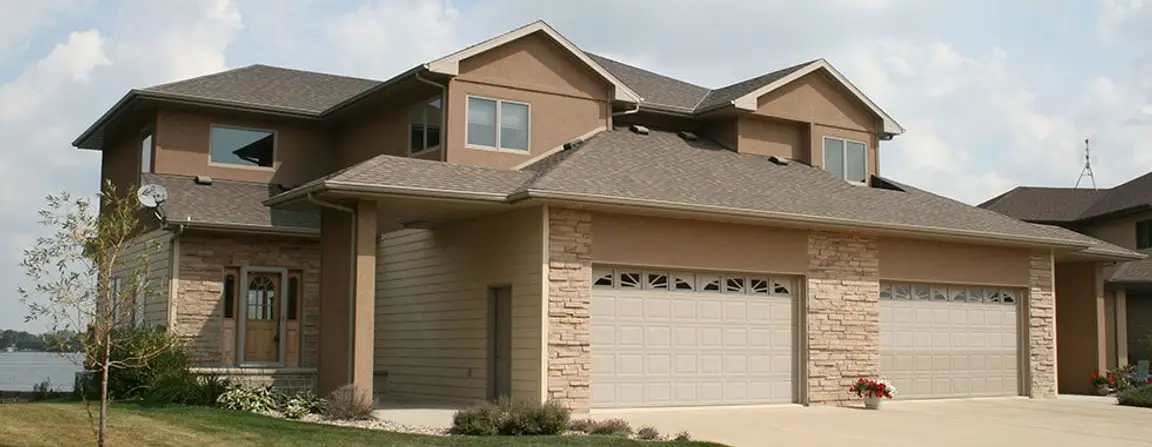

A code violation can turn an ordinary home sale into a difficult decision. Perhaps Milford has sent a notice about deteriorating siding, an unsafe porch, unpermitted work, or conditions at a house you inherited. You want to sell, but you may not know which repairs are required—or whether you can afford them.
You may be able to sell a house with code violations in Milford, Delaware, without completing every repair yourself. The outcome depends on the cited issue, city requirements, the buyer’s willingness to accept it, and what the purchase contract says about unresolved obligations.
This guide explains where to check your property’s code status, what the city’s permitting rules mean, and how to compare repairing, listing, or selling directly as-is.
Quick Answer: Can You Sell a House With Code Violations in Milford, DE?
Yes, a Milford house with code violations can potentially be sold, including as-is. An existing notice does not necessarily prevent a transfer, but an as-is contract does not automatically erase enforcement orders, assessed charges, or disclosure duties. Confirm the case status with the responsible authority and determine who must address outstanding items before closing.
What Counts as a Code Violation in Milford?
Within Milford city limits, the Code Enforcement & Licensing Division enforces property-maintenance and zoning requirements. Its work is different from the Building Inspections & Permitting Division, which handles construction permits and associated inspections.
The difference matters. An owner may need to address a maintenance notice, investigate a building-permit problem, or both.
Exterior deterioration and neglected grounds
Damaged siding, broken windows, deteriorating steps, rubbish, high weeds, or an unsafe accessory building can raise property-maintenance concerns. Something that appears merely cosmetic may involve safety, weather protection, or sanitation standards.
Structural and building-safety issues
A failing porch, unsafe stairway, compromised structure, or improper alteration may require professional evaluation. Serious conditions can also affect occupancy, financing, insurance, and how buyers assess repairs.
Unpermitted improvements
Previous owners may have made changes without obtaining necessary permits or inspections. A deck, finished basement, structural alteration, or electrical project can require additional documentation or correction. Do not assume an older improvement is approved simply because it has been there for years.
The applicable rule depends on the actual parcel. A Milford mailing address does not prove the property is within city limits. Confirm jurisdiction before applying city-specific requirements to a property in unincorporated Kent or Sussex County.
What to Do After Receiving a Milford Code Violation Notice
Start with the notice itself, not a renovation estimate. Identify the cited provision, the property’s address, the issuing officer, required actions, and the response deadline.
According to the city’s code-enforcement FAQs, owners should contact the officer who issued the letter within the period specified. If you cannot find the contact details, the city directs owners to (302) 424-8396, option 5.
Before that conversation, prepare the case number, photographs, any prior permits, and a brief timeline of the property’s condition. Ask:
- What specifically must be corrected to close this case?
- Is an inspection, permit, or licensed contractor required?
- Are any deadlines, penalties, hearings, or appeal procedures involved?
- How can I obtain written confirmation when the violation is resolved?
- If I plan to sell, what must happen before ownership transfers?
If you disagree with the notice or cannot meet its deadline, ask immediately about available review or extension procedures. Do not assume that listing the house, appealing, or requesting extra time automatically stops enforcement.
Check Milford’s published enforcement information
Milford maintains code-enforcement progress reports, including annual closed-case information and before-and-after photographs for resolved violations. The page also links to 2026 progress reports. These materials offer useful local context, but a public report should not be treated as definitive proof that your own case is currently open or closed.
Confirm the property’s current status directly with the issuing officer, and request written closure documentation when appropriate. A buyer may appreciate that record more than a verbal assurance that the problem has been fixed.
Milford Renovation Permits: Check Before Hiring a Contractor
A repair may require city authorization even if it is being performed only to satisfy a code notice. Milford uses its Civic Access system for permit applications, licenses, and inspection scheduling. The city publishes residential renovation guidance through its Building Inspections & Permitting Division.
A particularly important provision appears in Milford’s Residential Renovation Guidelines, revised May 5, 2026. They state that no permit will be issued if the property owner is delinquent on city taxes or utilities or has open code violations.
That raises a practical question: What if permitted work is necessary to correct the violation itself? Ask both the code-enforcement officer and permitting staff how corrective work should be authorized before paying a contractor or filing an application. Do not assume either an automatic exception or an automatic prohibition against making the required repair.
The guidelines also discuss plans, contractor licensing, and inspections. For work on the Sussex County side of Milford, they direct owners to check whether a separate county permit is necessary.
Get an explanation of the approval sequence in writing when possible. This is particularly important when a buyer’s offer depends on completing work before settlement.
Three Ways to Sell a House With Code Violations in Milford, DE
The best approach depends on the work required, your available cash, and the buyers likely to consider the property.
| Selling option | Potential benefit | Main tradeoff |
|---|---|---|
| Correct violations, then list | May widen the buyer pool | Upfront costs, permits, inspections, and delays |
| List as-is with an agent | Avoids some renovation work before marketing | Buyers may request credits or make financing-dependent offers |
| Explore a direct cash sale | May interest buyers who evaluate distressed property | Lower offers may reflect repair costs and unresolved risks |
1. Complete the required corrections before listing
This can make sense when the city identifies manageable repairs and the likely sale proceeds justify them. Resolve the actual cited problems first; do not automatically undertake a kitchen remodel or other optional upgrade.
Request itemized quotes, check permit requirements, and plan for follow-up inspections. If the work exposes hidden damage, your budget or schedule may change.
2. List the property as-is
A real estate agent may be able to market a house with disclosed maintenance issues to buyers willing to take on repairs. However, a financed buyer may face appraisal, insurance, or lender conditions, and the purchase agreement may require the seller to resolve particular matters before closing.
Review our comparison of selling directly versus listing with an agent to understand the tradeoffs. Actual commissions and closing expenses depend on negotiated terms.
3. Request a direct as-is offer
An investor or direct buyer may consider a property requiring substantial work. This can reduce the need for the owner to coordinate renovations, but the buyer still needs to evaluate the home, title, outstanding obligations, and repair risks.
No cash buyer can waive a city ordinance simply by agreeing to purchase as-is. Read the written offer carefully and confirm whether the buyer accepts unresolved issues. Our home-buying process explains the company’s general steps, not a guaranteed outcome for every property.
Can You Sell As-Is Without Correcting Every Violation?
Possibly. As-is describes the parties’ expectations about property condition; it is not an exemption from the law. A buyer may agree to handle some repairs after closing, but city orders, title requirements, and the sale agreement can limit what is possible.
Before signing, confirm which violations have been disclosed; who will perform required work; whether deadlines or inspections remain; and how assessed charges will be handled. The buyer’s promise should appear in the contract where appropriate, not merely in an email or conversation.
Questions worth asking an as-is buyer
Ask whether the buyer intends to purchase the house directly, whether the contract permits assignment to another purchaser, and what happens if a title or code issue is discovered. Request the proposed earnest-money terms, inspection period, closing arrangements, and any evidence of funds or financing needed to complete the purchase. A legitimate buyer should be able to explain the agreement without pressuring you to sign immediately.
Also ask who will communicate with the city after closing and what documentation confirms that responsibility. An agreement to pay for repairs is not the same as a city-approved plan for corrective work. If the buyer’s answers are unclear, review the paperwork with an independent Delaware real estate attorney before deciding.
If the property is empty, you may also have insurance and maintenance expenses while arranging the sale. Our guide to selling a vacant house in Delaware explains those separate concerns.
Delaware Seller Disclosures Still Matter
A code violation and a material property defect are not always the same thing, but they can overlap. An unsafe stairway, known structural issue, or water intrusion may be relevant to a buyer even when a city case is not recorded.
Delaware’s Buyer Property Protection Act generally requires covered residential sellers to disclose known material defects in writing, with statutory exclusions for certain types of transfers. It also addresses disclosure timing and updates before settlement.
Do not assume that an as-is provision eliminates these duties. Have your agent or Delaware attorney determine which requirements apply to the particular seller and transaction.
For housing built before 1978, federal lead-based paint disclosure rules may apply. If older painted surfaces will be disturbed, check the applicable lead-safe renovation requirements before authorizing work.
Keep the notice, contractor estimates, available inspection reports, and any written clearance. Clear documentation helps everyone understand what is known and what remains uncertain.
What Happens to Fines, Liens, and Open Cases at Closing?
These terms should not be treated as interchangeable. A violation notice identifies a compliance concern. A fine or assessed charge creates a potential payment obligation. A recorded lien may affect title and the ability to transfer clear ownership.
Ask the responsible city office and settlement professional whether any charges have been assessed, whether anything appears in the title search, and whether corrections or approvals must occur before transfer.
Some transaction costs or responsibilities may be negotiated. But an agreement between buyer and seller does not necessarily bind the city or release the seller from every obligation.
Get written answers about payment, corrective work, closing conditions, and what happens if a promised approval is delayed. Do not sign a contract requiring vacant, compliant, or fully permitted delivery unless you know those requirements can be met.
Should You Repair First? Compare Net Proceeds
Before choosing, classify the work into immediate safety hazards, specific required corrections, and optional resale improvements. Only the last category is truly discretionary from a marketing standpoint, and even there, the expected return may not justify the expense.
Obtain realistic estimates for repairs and required inspections. Then compare what you might receive after selling expenses, mortgage payoff, property taxes, any liens, and carrying costs while the property remains unsold.
A higher estimated listing price is not necessarily a better financial result. Nor is a faster direct sale automatically better. The right answer depends on real numbers and contract conditions, not blanket claims about cash buyers. See our Delaware cash-selling guide for additional context.
Milford Example: Fixing Code Violations vs. Selling As-Is
This example is hypothetical; it is not an actual Dynamic Property Solutions transaction or a forecast of Milford market prices.
Imagine an older Milford house with damaged exterior steps, deteriorating siding, and alterations needing further permit review. The owner lives elsewhere and wants to avoid managing a prolonged project.
| Illustrative item | Repair and list | Direct as-is sale |
|---|---|---|
| Sale price | $235,000 | $193,000 |
| Repairs and permit expenses | $24,000 | $0 seller-funded repairs |
| Selling expenses | $11,000 | $2,000 |
| Additional holding costs | $4,000 | $500 |
| Before mortgage, taxes, liens, and other adjustments | $196,000 | $190,500 |
The repair-and-list scenario produces $5,500 more in this example, but requires upfront spending and more time. A different repair estimate, additional penalty, or delayed closing could change the comparison.
The as-is scenario assumes the buyer can legally and contractually proceed with the disclosed condition. It does not assume that Milford has waived enforcement requirements. Ask the settlement professional for a property-specific net-proceeds estimate before making a decision.
Code Violations in Vacant, Rented, or Inherited Homes
Vacant house: Unattended water leaks, broken windows, or yard deterioration can create additional problems. Maintain reasonable security and insurance while discussing any city notices. A planned sale does not suspend safety responsibilities.
Tenant-occupied house: Property-maintenance issues may affect occupants, and Milford operates a Residential Rental Inspection Program. Inspections and corrective work must also respect applicable tenant-access requirements. Read our Delaware tenant-occupied selling guide for the separate lease and possession issues.
Inherited house: Verify who has authority to sell and whether title or estate administration is incomplete. An inherited property’s age or neglected condition does not establish which regulations apply. Our Delaware inherited-property guide addresses related ownership decisions.
Checklist Before Selling a Milford House With Code Violations
1. Verify the jurisdiction. Confirm whether the property is inside the City of Milford and which authority issued the notice.
2. Collect the documents. Keep the letter, case number, photographs, old permits, contractor estimates, and correspondence in one place.
3. Ask about compliance. Contact the issuing officer about required corrections, deadlines, inspections, and the procedure for obtaining written closure.
4. Check permits before work begins. Ask permitting staff how an open violation affects required corrective work and whether county approvals are also needed.
5. Establish the real financial exposure. Identify any charges, possible liens, mortgage balance, utilities, and monthly holding costs.
6. Compare credible selling options. Review contractor quotes, an agent’s estimated proceeds, and any written as-is offer.
7. Examine buyer conditions. Clarify access, inspections, disclosure, responsibility for violations, and any requirement to close cases before settlement.
8. Coordinate closing records. Have the settlement professional confirm title, payment adjustments, required documents, and any outstanding governmental matters.
For the company’s local service information, see we buy houses in Milford, DE.
Mistakes to Avoid When Selling a Milford House With Violations
- Ignoring the notice: Listing the property does not automatically extend a compliance deadline.
- Treating all work as mandatory: Obtain the city’s specific correction list before renovating unrelated rooms.
- Hiring before checking permits: An open violation can affect the approval sequence.
- Hiding defects: Known material issues may be subject to disclosure duties.
- Assuming the buyer inherits every charge: Confirm title and settlement obligations.
- Comparing only sale prices: Repairs, delays, contingencies, and carrying costs affect proceeds.
These are reasons to organize the sale carefully, not reasons to assume that selling is impossible.
Frequently Asked Questions About Selling a House With Code Violations in Milford, DE
1. Can I sell a house with code violations in Milford, DE?
Yes. You may be able to sell a Milford house with code violations, including as-is. However, outstanding city requirements, potential charges, disclosures, and buyer conditions must be addressed before closing.
2. Do I have to fix code violations before selling my Milford house?
Not always. Some buyers may accept properties with unresolved violations. Whether repairs are required before closing depends on the violation, applicable city requirements, and purchase agreement.
3. Can open code violations prevent a renovation permit in Milford, DE?
Yes. Milford’s May 2026 renovation guidelines state that permits will not be issued when an owner has open code violations. Contact the city’s permitting staff to determine how necessary corrective work can be authorized.
4. Who handles property code violations in Milford?
Within city limits, Milford’s Code Enforcement & Licensing Division handles property-maintenance and zoning enforcement. Building Inspections & Permitting oversees construction permits and related inspections. Properties outside city limits may fall under different authorities.
5. What should I do after receiving a code violation letter?
Review the cited problems and deadline, then contact the issuing officer promptly. Ask what corrections, permits, inspections, or documentation are necessary to resolve the case.
6. Will code violations lower my home’s sale price?
Possibly. Buyers may consider repair expenses, outstanding charges, and uncertainty when calculating an offer. The impact depends on the property’s condition, the violations involved, and the selling method.
7. Can a cash buyer purchase a Milford house with unresolved code violations?
Some cash buyers may consider properties with unresolved violations. However, acceptance depends on the property’s condition, applicable requirements, and buyer criteria. A cash sale does not automatically cancel municipal obligations.
8. Does selling a house cancel code violation fines or orders?
No, not automatically. Outstanding fines, enforcement orders, and recorded obligations may still need attention. Ask the responsible authority and settlement professional what must be paid, resolved, or documented before closing.
Explore Your Options for Selling a House With Code Violations in Milford, DE
An open code case does not necessarily mean you must complete a costly renovation before speaking with potential buyers. Begin by confirming the requirements, understanding the financial impact, and comparing realistic offers.
Dynamic Property Solutions helps Delaware homeowners explore direct, as-is sale options. Share the Milford property’s condition and any notices so the company can determine whether a cash offer may be possible. No purchase, price, or closing date is guaranteed.
Learn about Dynamic Property Solutions, explore its Delaware service areas, or request a no-obligation cash offer. You can also contact the team or call (302) 222-2901.
Disclaimer: This guide provides general education, not legal, tax, financial, or professional code-compliance advice. The applicable jurisdiction, enforcement status, permit requirements, and transaction terms vary by property. Consult the responsible authority, a qualified Delaware attorney, and appropriate licensed professionals for your situation.