
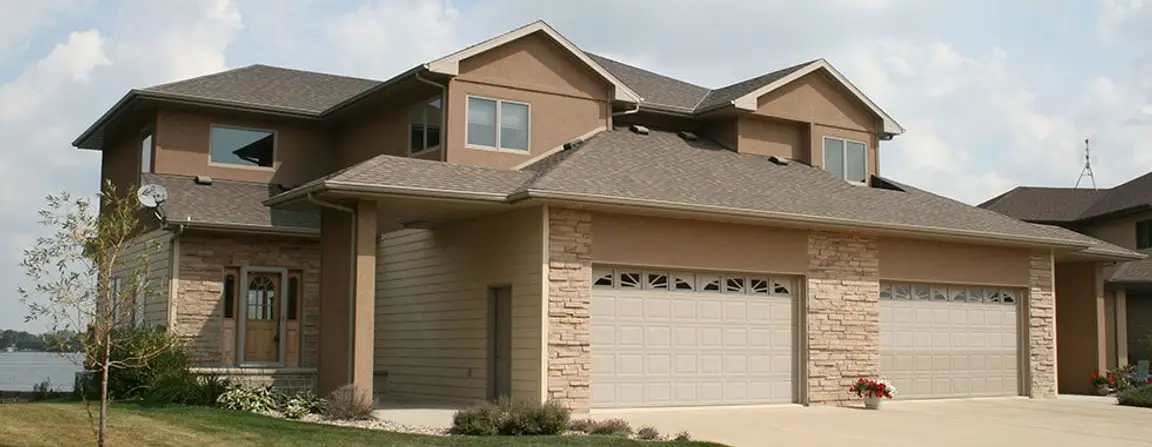

Selling a rental house is different when someone still calls it home. You may want to stop managing repairs, sell an inherited property, or use the proceeds for another investment. Your tenant, meanwhile, has a rental agreement and a right to reasonable privacy. A sale needs to account for both interests.
You can generally sell a house with tenants in Delaware without first making it vacant. The challenge is finding a buyer whose plans work with the existing occupancy, understanding what the lease requires, and deciding whether selling now is financially better than waiting.
This guide explains Delaware’s rental rules, how occupied sales work, and what to review before accepting an offer.
Quick Answer: Can You Sell a Tenant-Occupied House in Delaware?
Yes. Delaware generally allows an owner to sell a tenant-occupied property. However, selling the house does not automatically terminate an enforceable rental agreement. You can market it to buyers willing to accept the tenancy, discuss a voluntary early move-out with the tenant, or wait until occupancy lawfully ends. The best route depends on the lease, buyer requirements, and your expected net proceeds.
What Happens to the Lease When a Delaware Rental House Is Sold?
The lease is the first document to review—not something to sort out after a buyer appears. A sale transfers ownership, but it is not, by itself, permission to remove an occupant or ignore rental obligations. Give a potential buyer accurate information about the current tenancy before negotiating possession terms.
Fixed-term leases
Suppose your tenant has eight months left on a one-year lease. You may sell before those eight months end, but the buyer generally needs to account for the agreement. A seller should not promise vacant possession merely because the deed will transfer.
Under Delaware Code § 5106, termination of a fixed-term agreement at its expiration generally requires at least 60 days’ written notice, subject to applicable terms and exceptions. This is not a general right to end the lease 60 days after notice at any point during its term.
Review renewal provisions too. Missing a notice deadline may affect whether the tenancy continues under applicable law.
Month-to-month and oral agreements
Month-to-month arrangements may allow more flexibility, but they are not notice-free. Delaware generally requires at least 60 days’ written notice, with the period beginning on the first day of the month after actual notice. An agreement with no expressly stated term is generally treated as month-to-month; oral agreements can still create enforceable rights.
Do not assume the absence of a signed lease makes the tenant an unauthorized occupant. Record the rent amount, move-in date, payment history, deposit, and any terms supported by messages or receipts.
Special rules may apply to subsidized housing, manufactured-home communities, or unusual occupancy arrangements. Have a Delaware attorney review those before promising a buyer a specific move-out date.
Three Ways to Sell a Tenant-Occupied House in Delaware
There is no single best route. The right choice depends on whether the buyer wants rental income, a house to renovate, or a vacant home to occupy.
| Option | Why it may work | What to consider |
|---|---|---|
| Sell with the tenant in place | May avoid vacancy delays; established rent may interest an investor | Lease terms, buyer financing, access, payment history |
| Agree on a voluntary early move-out | May expand the buyer pool | Tenant agreement, relocation costs, written terms |
| Wait for lawful vacancy | Easier renovations, photography, and unrestricted marketing | Carrying costs, repair budget, timing uncertainty |
1. Sell subject to the existing tenancy
A rental-property investor may value a tenant who pays consistently. Another buyer may prefer to purchase as-is and decide how to manage the property within the law. Either way, confirm in writing that the prospective buyer understands the lease and can accept the property occupied.
This option can be useful when the lease has considerable time remaining or the owner does not want to coordinate a vacancy. However, investor interest does not guarantee a competitive offer or that every occupied property qualifies for a direct purchase.
For a broader discussion, see our Dover rental-property selling guide. This statewide guide addresses the additional issues created by tenants still living in the house.
2. Negotiate an early move-out voluntarily
Some tenants are already planning to relocate. They may consider an earlier date if the arrangement suits them. Others may not want to move, and a landlord should respect that decision unless a lawful process provides otherwise.
If both parties agree, put the details in writing: departure date, any agreed payment, final rent, return of keys, condition of the premises, and security-deposit treatment. A voluntary agreement should never involve threats, misleading claims about the sale, or pressure to surrender rights.
3. Wait until occupancy ends lawfully
Waiting may be sensible if the house could attract an owner-occupant or if renovations would improve its marketability. But consider mortgage payments, insurance, taxes, utilities, routine maintenance, and possible vacant-property expenses while waiting.
Instead of comparing estimated sale prices alone, compare what each method may leave you after expenses and delays. Our cash buyer versus agent comparison offers a starting point, although actual fees and results depend on the transaction.
How to Arrange Showings Without Violating Tenant Rights
You can pursue a sale without turning your tenant’s home into an open house on demand. Delaware permits reasonable landlord access for purposes that include showing a unit to prospective purchasers. The rules also protect tenants from abusive or harassing entry.
Under 25 Del. C. § 5509, landlords generally must give at least 48 hours’ notice before entry, apart from certain exceptions. Nonemergency entry must generally occur between 8 a.m. and 9 p.m. A tenant may expressly waive the 48-hour notice requirement for prospective purchaser or tenant showings through a qualifying signed document.
A cooperative approach can make a difference:
- Explain why you are considering a sale before scheduling appointments.
- Offer specific, reasonable showing windows and provide documented notice.
- Group appointments where practical instead of repeatedly interrupting the tenant.
- Respect personal belongings, privacy, and any restrictions on interior photography.
- Tell buyers honestly if access is limited; do not promise unrestricted inspections.
A tenant cannot unreasonably withhold consent under the statute, but access disputes are not a reason to force entry or retaliate. Get legal guidance if cooperation breaks down.
Can You Sell With Nonpaying Tenants or an Eviction Case?
Yes, an unpaid-rent problem does not automatically prevent a sale. It can, however, change the buyer pool, offer terms, and expected closing date. Tell prospective buyers whether rent is overdue, notices have been sent, or a possession case is pending.
Delaware’s current § 5502 nonpayment process generally requires a written payment demand giving at least seven days after the notice is given or sent before a landlord may file a nonpayment-based summary possession action, subject to the statute’s timing and other requirements. A landlord cannot simply lock out a tenant for missing rent.
Effective September 1, 2026, Delaware also provides a qualifying right of redemption in eviction cases based solely on nonpayment. An eligible tenant may prevent eviction by paying the legally required amounts before the eviction is carried out, subject to the applicable conditions. The Delaware Justice of the Peace Court explains that right.
The court also provides summary possession information and eviction-diversion resources. Where rent or possession is disputed, consult a landlord-tenant attorney before giving a buyer assurances about vacancy. A direct sale is not an eviction shortcut.
Security Deposits, Rent and Other Obligations at Closing
Occupied sales involve more than handing over keys. The closing documents should make clear what happens to current rent, deposits, leases, and property-management records.
Delaware’s security-deposit rules in § 5514 address how deposits must be held and accounted for. The ordinary 20-day deposit-return provisions are tied to expiration or termination of the rental agreement, not automatically to a change in ownership.
Before closing, reconcile the tenant’s deposit, any pet deposit, prepaid rent, rent collected for the closing month, and any documented balance. Ask the settlement professional to specify any transfer or seller credit in the settlement statement and purchase agreement. The buyer should receive accurate records and understand continuing responsibilities.
Delaware also permits some tenants to use a surety bond instead of all or part of a cash deposit. Under § 5514A, where the landlord’s interest is sold or transferred, the new landlord must accept the tenant’s qualifying surety bond, subject to the statute. Do not treat that bond as an ordinary cash deposit.
Finally, coordinate the ownership transition. The tenant should receive accurate instructions identifying the new landlord or authorized manager, future rent-payment arrangements, and a legitimate contact for maintenance issues. Delaware’s § 5105 landlord-disclosure provisions are relevant to owner and agent identification.
Do not leave these matters to an informal understanding between buyer and seller. A small accounting oversight can create an expensive dispute later.
Does Selling As-Is Remove Disclosure Responsibilities?
No. A direct or as-is sale should not be described as an exemption from every disclosure requirement.
Delaware’s residential seller-disclosure law generally requires covered sellers to disclose known material defects in writing, subject to statutory exclusions. The disclosure process may also address occupancy and lease-related facts. Have your agent or attorney confirm which requirements apply to your particular property and sale.
For most residential housing built before 1978, federal lead-based paint disclosure requirements also apply to covered transactions. Known hazards and available reports should be handled properly before the buyer signs a contract.
Gather your lease, amendments, rent ledger, deposit records, known repair history, permits, tenant complaints, and any active notices or court documents. If you inherited the rental, also establish who has legal authority to sign the sale documents. Our inherited-property guide for Delaware covers that separate decision.
How Tenant Occupancy Can Affect a Cash Offer
A tenant is not automatically a negative. Reliable income may appeal to an investor. But the buyer must also consider the duration of the lease, existing rent, maintenance costs, condition of the house, access for evaluation, and whether the intended use is compatible with the tenancy.
For example, a property rented below current market levels might still be attractive to a long-term investor, but the existing agreement could restrict immediate changes. An owner-occupant buyer might have entirely different requirements.
Ask every prospective buyer:
- Will you purchase with the existing tenant and lease in place?
- Does your offer require vacant possession or additional inspections?
- How will deposits, prepaid rent, and closing-month rent be handled?
- Which fees, repairs, or contingencies affect my net proceeds?
- What happens if the tenant remains in place at closing?
Review the answers alongside the actual contract rather than relying on a verbal offer. Our home-buying process page explains the company’s general approach; occupancy-specific purchase terms still need to be confirmed for your property.
Delaware Example: Occupied Rental vs. Vacant Sale
The following is hypothetical, not a documented Dynamic Property Solutions transaction or a prediction of actual offers.
A Milford homeowner has a single-family rental with seven months remaining on the lease. The tenant pays consistently, but the roof and interior need work. The owner wants to stop managing the property and is comparing an eventual vacant listing with an occupied direct sale.
| Illustrative consideration | Vacant listing | Occupied direct sale |
|---|---|---|
| Sale price | $230,000 | $197,000 |
| Seller-funded repairs | $12,000 | $0 |
| Selling expenses | $10,000 | $1,000 |
| Additional holding expenses | $3,500 | $0 |
| Illustrative amount before debt, taxes and other adjustments | $204,500 | $196,000 |
The vacant-listing scenario produces $8,500 more in this example, but requires repairs, carrying expenses, and time. The occupied-sale scenario avoids those assumed costs, yet its lower offer is still a meaningful tradeoff.
Neither scenario includes mortgage payoff, possible taxes, deposit adjustments, unexpected costs, or the value of rental income collected during the waiting period. Real numbers can change the result substantially.
For sellers in the area, our Milford home-buying information explains the local service. A seller elsewhere in Delaware should compare options available in that community rather than assume Milford prices or conditions apply statewide.
Checklist Before Selling a Tenant-Occupied House in Delaware
1. Confirm the legal occupancy. Review the written lease or document the supported terms of an oral arrangement. Check expiration dates, renewals, authorized occupants, and any special housing-program requirements.
2. Organize a financial snapshot. Record the monthly rent, payment history, deposit, mortgage balance, taxes, insurance, and known repair costs. Note which bills you would still pay while waiting for vacancy.
3. Choose the outcome you want. Decide whether an occupied closing is acceptable or whether you genuinely need vacant possession. If the latter requires tenant agreement or court proceedings, do not assume a certain departure date.
4. Communicate respectfully. Give the tenant accurate information, coordinate lawful access, and avoid promising changes to the lease that are outside your control.
5. Compare realistic selling paths. Speak with an agent, an investor experienced with occupied rentals, or a direct buyer. The relevant question is not simply who quotes the highest price, but who can complete the transaction under terms you can meet.
6. Check the written contract. Confirm occupancy requirements, access rights, any financing or inspection contingencies, disclosure obligations, settlement date, rent prorations, and responsibility for deposits. Have an attorney or settlement professional address uncertainties.
7. Plan the transition. Ensure the buyer receives appropriate lease records and that the tenant receives accurate new-owner and payment instructions after closing.
You can also review our frequently asked questions about selling to Dynamic Property Solutions to understand the broader direct-sale process.
Mistakes to Avoid When Selling a Tenant-Occupied House in Delaware
A few mistakes can cost more than delaying the listing itself:
- Promising vacancy without legal grounds. Selling the property does not create a new right to end a lease.
- Ignoring showing-notice requirements. Convenience for buyers does not override tenant protections.
- Failing to reconcile deposits. The buyer needs a documented accounting, not an estimate.
- Concealing problems. Undisclosed damage, rent disputes, or lease obligations can derail settlement.
- Comparing only gross prices. Repair and carrying costs can change net proceeds.
- Assuming every cash buyer accepts occupancy. Confirm this before signing, particularly if the tenant has a long remaining term.
If you want a broader overview of cash-sale considerations, see our Delaware cash-selling guide.
Frequently Asked Questions About Selling a House With Tenants in Delaware
1. Can I sell a house with tenants in Delaware?
Yes. You can generally sell a tenant-occupied house in Delaware. However, the buyer must account for existing lease terms and applicable tenant rights. You do not necessarily need to wait until the property becomes vacant.
2. Do tenants have to leave when a house is sold in Delaware?
No. Selling the property does not automatically terminate an enforceable lease. Tenants generally retain their existing rights, and the new owner must respect applicable rental obligations.
3. How much notice is required before showing a rental house in Delaware?
Delaware generally requires at least 48 hours’ notice before a showing, with nonemergency entry between 8 a.m. and 9 p.m. A qualifying signed waiver or another statutory exception may apply.
4. Can I end a month-to-month lease to sell my Delaware house?
Generally, yes. Delaware typically requires at least 60 days’ written notice, beginning on the first day of the month after actual notice. Different rules or additional protections may apply to particular tenancies.
5. Can I sell a house with tenants who are not paying rent?
Yes. Unpaid rent does not automatically prevent a sale, but it may affect buyer interest and contract terms. Eviction requires lawful procedures, and selling the house does not authorize removing tenants without legal grounds.
6. What happens to the security deposit when an occupied rental is sold?
The seller and buyer should properly account for the deposit during closing. Any transfer or credit should be documented, and the tenant’s existing rights and applicable Delaware deposit obligations must be respected.
7. Can I sell a tenant-occupied house as-is for cash in Delaware?
Yes, a cash buyer may consider purchasing an occupied house as-is. Acceptance depends on the lease, property condition, and buyer requirements. An as-is sale does not automatically eliminate applicable disclosure obligations.
8. Is it better to sell a rental house with tenants or wait until it is vacant?
It depends on the lease, property condition, buyer demand, and costs of waiting. A vacant sale may attract more buyers, while an occupied sale may reduce delays. Compare your estimated net proceeds before deciding.
Explore Your Options for Selling a House With Tenants in Delaware
You may not need to wait for your rental property to become vacant before exploring a sale. The key is understanding the lease, respecting the tenant’s rights, and selecting an offer that works with the actual occupancy situation.
Dynamic Property Solutions helps homeowners consider a direct, as-is selling option in Delaware. If you own a tenant-occupied house, share the property’s condition and rental circumstances so the company can determine whether a cash offer may be possible. Not every property or tenancy will fit a particular purchase arrangement.
See the company’s Delaware areas served, learn about Dynamic Property Solutions, or request a no-obligation cash offer. You can also contact the team or call (302) 222-2901.
Disclaimer: This article provides general information and does not constitute legal, tax, or financial advice. Delaware landlord-tenant laws, lease terms, and individual circumstances may affect your options. Consult a qualified Delaware attorney regarding tenancy disputes, notice requirements, or eviction procedures, and seek professional tax or financial advice when appropriate.