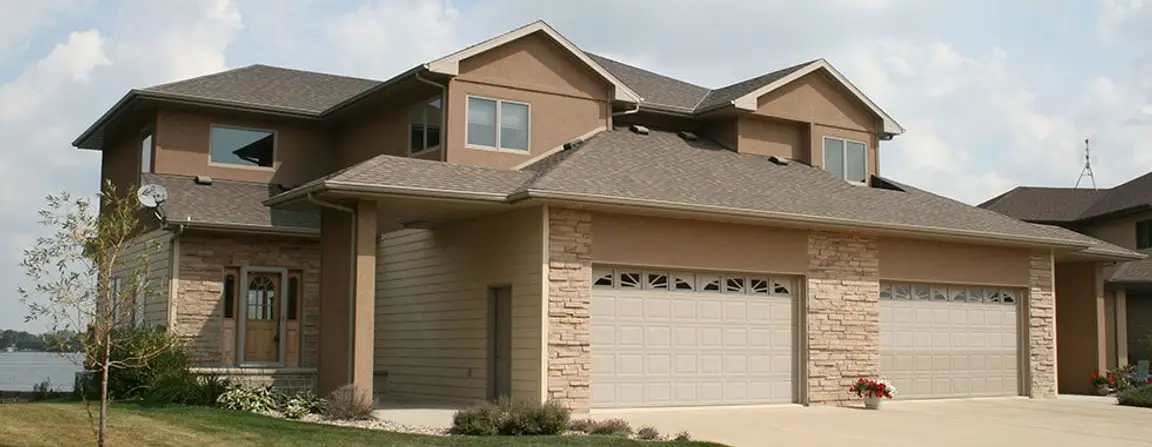
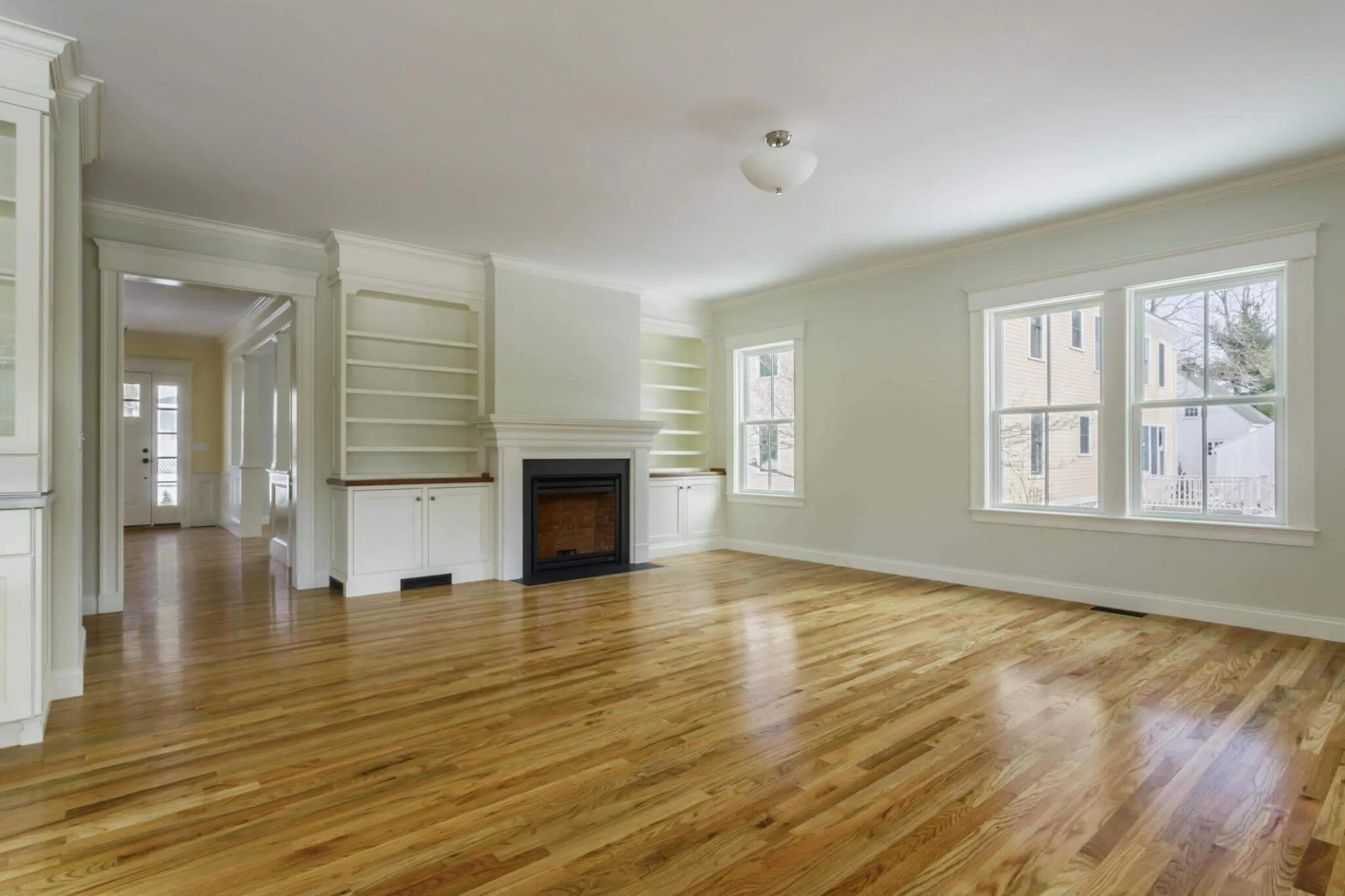
A vacant house in Delaware can become expensive even when no one lives there. Whether you inherited the property, relocated, or recently had a tenant move out, insurance, taxes, utilities, and maintenance costs may continue. The longer the house remains empty, the more important it becomes to protect its condition and evaluate your selling options.
You can generally sell a vacant house in Delaware without moving into it or completing every repair first. The important decisions are how to protect the property while it remains empty, whether repairs are financially worthwhile, and which selling method best fits your circumstances.
This guide explains your options, Delaware-specific considerations, potential costs, and practical steps for selling a vacant property.
Quick Answer: Can You Sell a Vacant House in Delaware?
Yes. You can generally sell a vacant house in Delaware through a traditional listing, a direct as-is sale, or another suitable selling arrangement. The property does not necessarily need to be renovated first. However, insurance restrictions, local maintenance requirements, disclosures, title issues, and selling expenses may affect your decision. Compare your likely net proceeds before choosing how to sell.
Why Selling a Vacant House Can Be More Complicated
A vacant house may be easier to show than an occupied property, but no one is there to notice a leaking pipe, broken window, or storm-related problem immediately.
Small issues can become expensive when left undiscovered. An unnoticed water leak may damage flooring, while an unsecured door can invite unauthorized entry. Overgrown vegetation or accumulated debris may attract complaints or code-enforcement attention.
The costs also continue even when nobody uses the house.
For sellers, the challenge is balancing three things: protecting the property, avoiding unnecessary expenses, and making a sound financial decision.
Before choosing a buyer, determine why the property is vacant, how long it has been empty, and whether anything prevents an ordinary sale.
Protect Your Vacant Delaware House Before Selling
Taking a few precautions can help prevent additional problems while you evaluate your options.
Review Your Insurance Coverage Immediately
Do not assume your existing homeowners insurance provides unchanged coverage after a property becomes vacant.
In its March 2026 newsletter, the Delaware Department of Insurance explains that standard policies may restrict or exclude coverage after a property has been unoccupied for approximately 30–60 days, depending on the policy.
Contact your insurer and explain:
- When the property became unoccupied
- Whether it remains furnished
- Whether utilities are operating
- How often someone checks the house
- Whether you plan to list, repair, or sell it as-is
Ask whether a vacancy endorsement or separate vacant-property policy is appropriate. Request written confirmation of coverage and any inspection or security conditions.
Vacant and temporarily unoccupied do not always mean the same thing for insurance purposes. Let your insurer determine how the policy applies rather than assuming a particular number of days is safe.
Secure the House and Monitor Its Condition
Check exterior locks, windows, access points, and any signs of damage. Arrange for someone trustworthy to inspect the property periodically.
After severe weather, look for roof damage, water intrusion, fallen branches, and drainage problems. Inside, check visible plumbing connections, ceilings, basement areas, and signs of moisture.
Avoid leaving unnecessary valuables inside. Redirect mail or arrange collection so deliveries do not accumulate.
If you live outside Delaware, a reliable local contact may be helpful for emergencies, contractor access, and buyer appointments.
The goal is not to renovate the entire property. It is to prevent avoidable deterioration before the sale.
How Much Does It Cost to Keep a House Vacant in Delaware?
The true cost of waiting includes more than the monthly mortgage payment.
A vacant homeowner may continue paying property taxes, insurance, heating or cooling, basic utilities, lawn care, pest control, and occasional repairs. Some properties also have association fees or local registration expenses.
Consider this hypothetical monthly budget:
| Expense | Illustrative monthly cost |
|---|---|
| Insurance | $180 |
| Property taxes | $150 |
| Utilities | $120 |
| Yard and exterior care | $100 |
| Routine inspections and maintenance reserve | $150 |
| Total excluding mortgage and major repairs | $700 |
These amounts are examples, not Delaware averages or estimates for your property.
At $700 per month, six additional months of ownership would cost $4,200, excluding mortgage payments, unexpected repairs, and other transaction expenses.
A higher eventual listing price may still justify waiting. But the increase needs to be meaningful after those costs.
Before investing in repairs, write down your actual monthly expenses and how long each selling option may realistically take.
Delaware Vacant-Property Rules and Local Responsibilities
A property being empty does not automatically remove the owner’s maintenance obligations.
The Delaware State Housing Code, § 4112, establishes minimum premises-maintenance requirements, including provisions concerning vacant structures, sanitation, drainage, and pests, subject to the law’s applicability.
Municipal rules may impose additional obligations. Importantly, registration requirements are not necessarily the same in every Delaware community.
Vacant Houses in Wilmington
The City of Wilmington operates a Vacant Property Registration Program.
Owners of properties meeting the city’s applicable vacancy criteria may need to register, provide required information, and pay applicable fees.
The city also requires owners to update registration information when relevant details change, including ownership changes.
If your vacant house is in Wilmington, review the official registration instructions before assuming that listing the house for sale eliminates your obligations.
You can also explore our Wilmington home-buying information for details about the company’s local service.
Vacant Houses in Dover and Other Communities
Dover has a vacant-building registration program under its municipal regulations. The City of Dover Code Enforcement Office provides registration materials and information about property-maintenance requirements. Because the city may amend these rules, homeowners should confirm current registration deadlines, fees, exemptions, and other obligations before selling.
Applicability, registration timing, exemptions, and fees should be confirmed with the city’s Code Enforcement Division because local requirements may change.
Do not assume a property advertised for sale is automatically exempt from registration.
For properties elsewhere in Delaware, check with the appropriate municipality or county authority. A house outside incorporated city limits may be subject to different administrative requirements.
Our Dover home-buying page provides additional information for sellers in that area.
Three Ways to Sell a Vacant House in Delaware
The right selling method depends on the home’s condition, your available budget, and how much responsibility you want to retain.
| Selling option | Potential advantage | Main tradeoff |
|---|---|---|
| List with a real estate agent | May attract buyers willing to pay more | Preparation, showings, contingencies, and selling expenses |
| Sell directly as-is | May reduce repair work and preparation | Offer may be below a successfully renovated or traditionally marketed price |
| Repair before selling | May improve presentation and appeal | Requires capital, time, contractor coordination, and financial risk |
Option 1: List the Vacant Property With an Agent
A vacant house can be convenient for photography, inspections, and buyer showings. Buyers can usually view rooms without coordinating around an occupant’s schedule.
If the house is in good condition, a traditional listing may attract owner-occupants willing to pay more than an investor.
However, you may need to address repairs, cleaning, landscaping, utilities, and inspection findings. Buyers may also have financing or appraisal contingencies.
Agent compensation is negotiable, and actual closing expenses vary. Review the proposed agreement rather than relying on a universal commission percentage.
For a broader comparison, see selling to a home buyer versus listing with an agent.
Option 2: Sell Your Vacant House As-Is for Cash
A direct buyer may consider a property that needs cleaning, repairs, or updates without requiring the seller to renovate it first.
This approach may appeal to owners who live far away, cannot comfortably fund repairs, or prefer a simpler selling process.
However, as-is does not mean every house qualifies or that every purchase will close immediately.
A buyer may still need to evaluate the property, review title, and include reasonable contract conditions.
Ask for a written offer explaining the price, any required inspections, closing expenses, and whether the buyer expects you to remove belongings.
Review how Dynamic Property Solutions buys houses in Delaware to understand the company’s general process.
Option 3: Complete Repairs Before Selling
Sometimes a targeted repair can make a meaningful financial difference.
Repairing an active roof leak or correcting an obvious safety problem may protect the property and improve buyer confidence.
But major renovations are a different decision. Replacing a kitchen, rebuilding a damaged bathroom, or upgrading multiple systems can involve substantial expense and uncertainty.
Before committing, compare written contractor estimates with realistic sale-price expectations.
Do not assume that every dollar spent on improvements will increase the final selling price by a dollar.
Should You Repair a Vacant House Before Selling?
Start by separating essential protection from optional improvements.
Safety and damage prevention may deserve immediate attention even if you intend to sell as-is. Examples include securing a broken entrance, addressing active water intrusion, and investigating dangerous electrical conditions.
Cosmetic improvements deserve a different calculation. Painting, flooring, landscaping, and minor updates may improve presentation, but their financial return depends on the property and buyer.
Major rehabilitation needs the most scrutiny. Significant foundation, roofing, plumbing, or structural work can introduce unexpected costs after the project begins.
Obtain estimates, consider permit requirements, and compare the projected net proceeds with an as-is offer before spending money.
For related guidance, see our Dover article about making repairs or cleaning before selling.
Common Reasons Houses Become Vacant in Delaware
The reason a property is empty can change what needs to happen before closing.
Inherited Property
An inherited house may remain vacant while family members settle an estate or decide whether to keep it.
Confirm who legally owns the property and who has authority to sell. Probate, outstanding debts, and disagreements among heirs may affect the transaction.
Read our guide to selling inherited property in Delaware before making assumptions about the sale process.
Relocation or an Unused Second Home
If you relocated, coordinating repairs and appointments from another state may be inconvenient.
A local contact and reliable settlement professional can help, although signing requirements and remote-closing options should be confirmed with the parties involved.
A former primary residence may also have tax implications different from those of an investment property.
A Former Rental Property
A house may become vacant after a tenant moves out. Before selling, check for abandoned belongings, unresolved deposit obligations, damage, and any remaining lease-related issues.
If the property is still occupied, our separate guide to selling a house with tenants in Delaware addresses those rights and obligations.
Disclosures, Flood Risk, and Other Delaware Considerations
An empty house can still have defects that must be addressed during the sale.
Under Delaware’s Buyer Property Protection Act, covered residential sellers generally must disclose known material defects in writing, subject to statutory exemptions.
The law also includes radon-related requirements for covered transfers. For most houses built before 1978, federal lead-based paint disclosure rules may apply.
Selling as-is does not automatically waive these requirements.
Delaware homeowners should also consider drainage and previous water intrusion. The DNREC Flood Planning Tool can help owners research flood-related conditions, although its maps are informational and should not replace professional evaluation.
Keep available inspection reports, insurance documents, permits, and records of significant repairs. Tell the buyer what you know rather than guessing about systems you have not inspected.
Calculate Your Net Proceeds Before Accepting an Offer
A higher sale price does not always mean you receive more money after closing.
Request a written estimate accounting for the mortgage payoff, applicable liens, agreed selling expenses, repair costs, and any other obligations.
Delaware also has realty transfer tax rules. The amount and allocation can depend on the transaction, property location, applicable law, exemptions, and contractual terms.
Do not assume all closing costs disappear because a buyer offers cash.
If the house was a primary residence, inherited asset, or rental investment, taxes may also affect the decision. The IRS explains home-sale considerations in Publication 523.
Ask a qualified tax professional to evaluate your circumstances.
Checklist Before Selling a Vacant House in Delaware
Use this practical sequence to organize the sale without paying for unnecessary work.
1. Confirm ownership and authority. Check the deed, mortgage information, and any estate documents. Resolve uncertainties before signing a purchase agreement.
2. Contact the insurance company. Explain the vacancy and obtain confirmation that appropriate coverage remains in place.
3. Check local requirements. Ask the relevant municipality or county about vacant-property registration, maintenance rules, and existing notices.
4. Inspect the house. Document visible damage, leaks, odors, plumbing concerns, and safety hazards. Arrange professional inspections where appropriate.
5. Secure and maintain the property. Protect entry points, manage landscaping, inspect after storms, and keep necessary systems operating safely.
6. Calculate holding costs. Record actual monthly expenses, including mortgage payments, insurance, taxes, utilities, and maintenance.
7. Compare selling options. Request an agent’s estimated net proceeds and consider a written as-is offer before authorizing major renovations.
8. Review closing conditions. Confirm repairs, title requirements, expenses, removal of belongings, and the proposed settlement date in writing.
For additional questions about direct sales, visit our Delaware home-selling FAQs.
Delaware Example: Renovating a Vacant House vs. Selling As-Is
This is a hypothetical financial example, not an actual Dynamic Property Solutions transaction.
Imagine a homeowner moved away from Milford and left a house vacant. The property needs flooring, interior painting, and several repairs.
The owner is comparing two possible outcomes:
| Illustrative expense | Renovate and list | Sell as-is |
|---|---|---|
| Sale price | $245,000 | $205,000 |
| Repair costs | $20,000 | $0 |
| Selling expenses | $11,000 | $2,000 |
| Additional carrying costs | $4,500 | $500 |
| Amount before mortgage, taxes, liens, and other adjustments | $209,500 | $202,500 |
The renovated listing produces $7,000 more in this scenario. But it also requires upfront money, contractor coordination, and additional ownership time.
That difference may be worthwhile for some sellers and unattractive to others.
The estimates are illustrative, not expected offers or local market averages. Actual sale prices, holding periods, and costs can differ substantially.
If your property is near Milford, see our Milford home-buying information for details about the company’s local service.
Mistakes to Avoid When Selling a Vacant House
Several common oversights can make a straightforward sale more expensive:
- Waiting too long to review insurance. Vacancy may change coverage.
- Ignoring local registration requirements. A house listed for sale may still be subject to local rules.
- Turning off every utility without planning. This can affect inspections and protection of building systems.
- Renovating without checking net proceeds. The additional price may not justify the full project cost.
- Assuming as-is eliminates disclosures. Applicable legal obligations still matter.
- Accepting a verbal offer without reviewing terms. Ask about conditions, costs, and what happens if closing is delayed.
Addressing these matters early helps you compare offers based on facts rather than urgency.
Frequently Asked Questions About Selling a Vacant House in Delaware
1. Can I sell a vacant house in Delaware as-is?
Yes. You can generally sell a vacant house in Delaware without completing major repairs. However, the buyer may evaluate its condition, and applicable property-disclosure requirements still apply.
2. Do I need special insurance for a vacant house in Delaware?
Possibly. Some homeowners insurance policies restrict coverage after extended vacancy. Contact your insurer to confirm your current coverage and whether you need a vacancy endorsement or separate policy.
3. Does Delaware require vacant houses to be registered?
Requirements vary by location. Wilmington and Dover have vacant-property registration programs, but not every vacant house automatically requires registration. Check with the relevant municipality to confirm applicable rules, exemptions, and fees.
4. Should I repair a vacant house before selling it?
Not necessarily. Essential repairs may prevent further damage, but major renovations are not always financially worthwhile. Compare estimated repair costs, potential sale prices, and holding expenses before deciding.
5. Can I sell an inherited vacant house in Delaware?
Yes, provided you have the legal authority to sell it. Probate, ownership documentation, outstanding debts, and title issues may affect the process. Consult a Delaware estate attorney if ownership or authority is uncertain.
6. How quickly can I sell a vacant house for cash?
A direct cash sale may reduce some preparation and financing-related delays. However, the closing timeline depends on the property’s condition, title, buyer requirements, and agreed contract terms.
7. Who pays closing costs when selling a vacant house?
Closing-cost responsibilities depend on the purchase agreement and applicable law. Some cash buyers may cover certain expenses, but mortgage payoffs, liens, transfer taxes, and other adjustments still need review.
8. Is it better to list a vacant house or sell to a cash buyer?
Listing may produce a higher sale price, while a direct cash sale may reduce repairs and preparation. Compare estimated net proceeds, carrying costs, timelines, and contract conditions before deciding.
Explore Your Options for Selling a Vacant House in Delaware
A vacant property does not have to become a long-term responsibility simply because you are uncertain about the next step.
Whether the house was inherited, left behind after relocation, or recently vacated by tenants, the right approach starts with understanding its condition, ownership costs, and available selling options.
Dynamic Property Solutions helps Delaware homeowners explore direct, as-is property purchases. The company can review the information you provide and determine whether a cash offer may be possible for your particular house.
You can learn more about Dynamic Property Solutions, explore the company’s Delaware service areas, or request a no-obligation cash offer.
You can also contact the team or call (302) 222-2901.
The goal is to find a selling arrangement that makes financial sense for you—not to assume that the fastest offer or highest advertised price is automatically the best choice.
Disclaimer: This article provides general educational information, not legal, tax, financial, or insurance advice. Vacant-property rules, insurance conditions, disclosure requirements, and transaction costs may vary. Consult qualified Delaware professionals regarding your specific circumstances.