
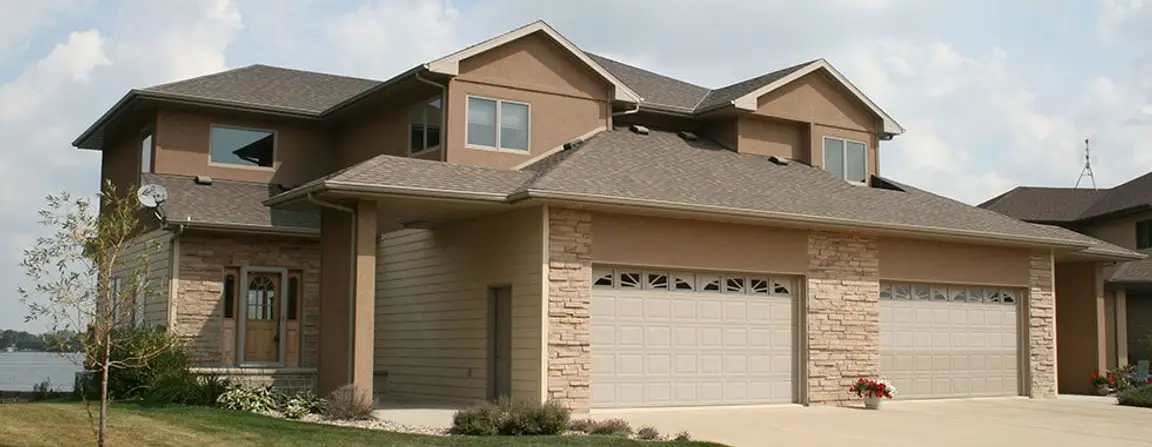

Inheriting a house in Smyrna can leave you responsible for a property before you know exactly who has the authority to sell it. You may have inherited a longtime family home near Main Street, a house that has been vacant for months, or a rental property that still has tenants.
The practical questions often arrive together: Who owns the property now? Does the estate need probate? Who pays the mortgage, taxes, and insurance while decisions are being made? And would selling the house as-is make more financial sense than renovating it?
You may be able to sell an inherited house in Smyrna, Delaware, without completing major repairs, but the ownership and estate requirements must be resolved before closing.
This guide explains how to establish authority to sell, account for Delaware’s newer transfer-on-death deed rules, compare selling options, and avoid expenses that can reduce an inheritance.
Quick Answer: Can You Sell an Inherited House in Smyrna, DE?
Yes. An inherited house in Smyrna can generally be sold once the legally authorized parties can convey clear title and meet the transaction’s requirements. Depending on how the deceased owner held title, the property may pass through probate, survivorship, a trust, or a valid transfer-on-death deed.
The first step is to establish who owns the house and who is authorized to sign the sale documents. Being a family member or a beneficiary named in a will does not automatically establish authority to sell on behalf of an estate.
Start With the Deed, Not the Sale Price
Before arranging renovations or requesting offers, locate the most recent recorded deed and determine how the property was owned.
A Smyrna house may have been held in one person’s name, jointly with a spouse, through a trust, or under another ownership arrangement. The answer can change the steps necessary before settlement.
House Owned Solely by the Deceased Person
When someone dies owning real estate in their name alone, probate or other estate administration may be necessary.
The county Register of Wills oversees the appointment of a personal representative, who may have authority to manage assets and act for the estate within the limits of applicable law.
The Kent County Register of Wills explains the documents needed to open an estate, including the original will if one exists, a death certificate, information about assets, and details of the next of kin.
If the estate is already open, ask the personal representative or estate attorney what authority exists to market and sell the house.
Joint Ownership and Survivorship
If the property was owned jointly with rights of survivorship, an ownership interest may pass to a surviving owner rather than through the ordinary probate process.
However, the deed must actually support that result.
Do not assume that two names appearing on a deed automatically create survivorship rights.
The Kent County Register of Wills forms library includes a jointly held real estate affidavit and other documents that may be relevant to clearing title.
Have a Delaware real estate attorney or settlement professional review the recorded deed before signing a purchase agreement.
Property Held in a Trust
A house owned by a properly established trust may be managed by an authorized trustee under the trust documents.
The trustee’s authority, any restrictions, and the requirements of the title company still need to be confirmed.
Property Subject to a Transfer-on-Death Deed
Delaware now permits qualifying real property to pass through a transfer-on-death deed (TODD).
This newer option deserves special attention because it may change whether a Smyrna property must pass through probate to transfer to a named beneficiary.
Delaware’s New Transfer-on-Death Deed Rules
Delaware’s Uniform Real Property Transfer on Death Act applies to qualifying transfer-on-death deeds where the owner died on or after December 4, 2025.
To qualify, a transfer-on-death deed must meet Delaware’s applicable deed formalities, including notarization, be witnessed by two individuals, at least one of whom is not a beneficiary, and be recorded in the county where the property is located before the owner’s death.
A valid transfer-on-death deed may transfer the property outside probate, but existing mortgages, liens, and other encumbrances remain relevant. In certain circumstances, the transferred property may also be subject to estate creditor claims when the probate estate has insufficient assets.
The Kent County Recorder of Deeds’ transfer-on-death guidance explains how this arrangement works and provides homeowner information.
What this means if you inherited a Smyrna house:
- Check whether a transfer-on-death deed was recorded before the previous owner’s death.
- Confirm whether it applies to the property and the beneficiary claiming ownership.
- Ask a settlement professional which death affidavit, title records, or other documents are needed.
- Review any outstanding mortgage, property taxes, liens, and creditor-related issues.
- Confirm whether estate administration is still necessary for other assets.
A transfer-on-death deed cannot ordinarily be created after the owner has already died to change how the house passes.
The rules are also different when survivorship ownership or multiple beneficiaries are involved. Consult a Delaware attorney when the title is unclear.
Smyrna Property Location and the Correct Probate Office
Smyrna extends into Kent County and New Castle County, making it important to distinguish the location of the house from the deceased person’s last legal residence.
The probate office generally depends on where the deceased person resided at death, not simply where an inherited property is located.
If the deceased person resided in Kent County, start with the Kent County Register of Wills.
If the person resided in New Castle County, consult the New Castle County Register of Wills.
The county where the real estate is situated is also relevant to deed recording, tax records, and title research.
For example, someone might have owned a Smyrna investment property while living elsewhere in Delaware. The estate administration and real estate recording responsibilities may involve different county offices.
Do not assume that every Smyrna mailing address falls within the same county or municipal boundary. Verify the parcel and the decedent’s domicile separately.
What If There Is a Will but Probate Is Not Finished?
A will is an important document, but naming an executor does not, by itself, mean that person can immediately conduct every transaction for the estate.
The Register of Wills must establish the appropriate authority when administration is required.
Before listing the property, confirm:
- Whether the estate has been opened.
- Whether the named executor or administrator has been formally appointed.
- Whether the personal representative has authority to sell the real estate.
- Whether heirs, beneficiaries, or the court must provide additional approval.
- Whether known debts or liens could affect the transaction.
- Whether the planned closing date fits the estate’s legal requirements.
The Kent County probate FAQ explains the role of personal representatives, creditor claims, and estate documents.
If the deceased person did not leave a valid will, Delaware intestacy rules may determine who receives the estate. This does not mean one family member can simply choose to sell the property without the necessary authority.
Also, a power of attorney generally terminates at death. A family member who previously managed the owner’s finances using a power of attorney should not assume that document still authorizes a sale.
When Multiple Heirs Inherit the Same Smyrna House
An inherited house can be difficult to manage when several family members have different plans.
One beneficiary may want to keep the property. Another may need cash. A third may live outside Delaware and prefer not to coordinate repairs or tenants.
The first step is to identify the actual ownership and decision-making authority.
Before discussing an offer, clarify:
- Whether the house is still owned by the estate or has passed to beneficiaries.
- Who can legally sign a contract and deed.
- Whether everyone whose approval is required agrees with the proposed sale.
- Whether one heir wants to purchase another heir’s interest.
- How selling costs and net proceeds will be handled.
- Whether existing disagreements require legal resolution.
A beneficiary’s preference and the personal representative’s legal authority are not always the same.
If heirs disagree, avoid relying on informal verbal promises. Seek Delaware legal guidance before making repairs, accepting earnest money, or committing to a closing date.
What Costs Continue After Inheriting a House?
A property does not stop generating expenses when its owner dies.
Until the house is sold, transferred, or otherwise managed, someone may need to account for mortgage payments, taxes, insurance, utilities, maintenance, and emergency repairs.
Mortgage Payments and Other Liens
Find out whether there is a mortgage, home-equity loan, judgment, or other lien against the house.
Contact the loan servicer through the appropriate authorized person to determine payment status and the process for obtaining information.
A mortgage does not simply disappear when an owner dies. Depending on the loan and inheritance circumstances, special federal servicing and succession protections may apply.
If payments are already overdue, address deadlines promptly. The estate’s legal representative should evaluate the available options before accepting a sales contract.
Town and County Property Taxes
Check both municipal and county tax obligations where applicable.
The Town of Smyrna tax information page explains town property-tax billing and available payment information.
County taxes and assessments depend on the specific property’s location.
A settlement professional can help identify unpaid balances that must be resolved at closing.
Do not rely solely on the previous owner’s old tax bill. Request a current amount before comparing offers.
Insurance and Vacancy
An inherited house that sits empty for an extended period may need a different insurance arrangement from an occupied primary residence.
Review the policy with the insurance company rather than assuming coverage continues unchanged.
Secure entrances, monitor leaks, prevent avoidable deterioration, and retain receipts for property-related expenses.
Our guide to selling a vacant house in Delaware explains the additional costs associated with vacant properties.
Contents and Personal Belongings
A house full of furniture and personal belongings can delay a sale even when the building needs no major repairs.
First determine which items belong to the estate, which must be preserved or distributed, and who may authorize disposal.
Document valuables and follow instructions from the personal representative.
Do not remove or sell estate property simply because you have a key to the house.
Should You Repair an Inherited Smyrna Home Before Selling?
That depends on what the house needs, how much the estate can spend, and the likely difference in net sale proceeds.
An older property near Smyrna’s downtown residential areas may have different maintenance needs from a newer home in another neighborhood.
Potential issues include aging roofs, outdated systems, moisture damage, flooring, exterior deterioration, or deferred maintenance.
The relevant question is not only what repairs cost. It is whether completing those repairs is likely to improve the amount left after all expenses.
Local Permits and Historic-District Considerations
The Town of Smyrna’s building-permit guidance identifies projects that may require permits, including structural renovations and certain exterior improvements.
The town also provides Planning and Zoning information for properties subject to zoning requirements and historic-district review.
For an inherited house requiring extensive renovations, ask the town whether the proposed work needs permits or additional approvals.
A property located outside town limits may be subject to a different permitting authority.
You may decide not to complete every improvement before selling. Nevertheless, unresolved safety issues or applicable municipal requirements should be understood before a contract is signed.
Three Selling Options for an Inherited House in Smyrna
There is no single selling method that works best for every estate.
1. Make Repairs and List With an Agent
This may be appropriate when the home is in reasonably good condition, the estate has funds for improvements, and the people authorized to make decisions have sufficient time.
Renovating may attract more buyers, particularly those using conventional mortgage financing.
However, the estate may need to pay for repairs, maintenance, taxes, utilities, insurance, and carrying costs before receiving sale proceeds.
2. List the House As-Is
An as-is listing may help avoid extensive upfront renovations while exposing the home to a broader market.
Interested buyers may still request inspections, financing contingencies, or price adjustments based on the condition.
A real estate agent familiar with Smyrna can help estimate a reasonable as-is listing range.
For a broader comparison, review our direct cash sale versus traditional listing guide.
3. Explore a Direct Cash Sale
Some direct buyers evaluate inherited properties in their current condition, including houses that need repairs or cleanup.
This may be useful when authorized sellers want to compare a direct offer with the costs and timing of other options.
A cash buyer still needs satisfactory title and an enforceable agreement. A direct offer does not bypass probate, resolve disagreements among heirs, or eliminate liens automatically.
Learn how Dynamic Property Solutions reviews property information before deciding whether to request an offer.
Smyrna Example: Renovating an Inherited House vs. Selling As-Is
This is a hypothetical illustration, not a verified Smyrna sale or actual offer from Dynamic Property Solutions.
Suppose an estate owns an inherited Smyrna house that is structurally sound but needs kitchen updates, flooring, painting, and exterior maintenance.
The authorized decision-maker has two estimates: one for preparing and listing the property, and another representing a possible direct sale.
| Illustrative expense | Renovate and list | Direct as-is sale |
|---|---|---|
| Sale price | $265,000 | $231,000 |
| Renovation and cleanup | $25,000 | $0 |
| Selling and settlement expenses | $13,000 | $2,000 |
| Holding costs | $5,000 | $1,000 |
| Mortgage or other required payoff | $10,000 | $10,000 |
| Estimated proceeds before estate distributions and taxes | $212,000 | $218,000 |
In this illustration, the as-is scenario produces $6,000 more after the listed expenses.
But the outcome would change if renovations cost less, the listing price increased, or the direct offer were lower.
The example does not include every possible estate administration cost, tax consequence, or legal expense.
Ask a qualified real estate or settlement professional to prepare a property-specific comparison before making a decision.
Tax Questions When Selling an Inherited House in Delaware
Inheriting a home and selling that home are separate events for tax purposes.
Delaware repealed its state estate tax for qualifying deaths beginning in 2018. That does not mean every inherited-property sale is free from federal or other applicable taxes.
The Internal Revenue Service generally determines the basis of inherited property using its fair market value at the date of death, subject to exceptions and special valuation rules.
The IRS basis guidance explains the broader rules.
An estate or beneficiary who later sells the property may need to report the transaction and calculate any taxable gain or loss.
The IRS inherited-property tax FAQ offers a starting point for understanding how sale proceeds are treated.
Other financial considerations may include estate administration expenses, property-tax arrears, loan balances, transfer-related costs, and the timing of any distribution to beneficiaries.
Do not assume that inherited property can be sold without tax consequences simply because the previous owner has died.
A tax professional familiar with inherited real estate can evaluate the relevant facts.
Delaware Property Disclosures Still Matter
An inherited house may contain defects the heirs know little about.
Delaware’s Buyer Property Protection Act establishes disclosure requirements for covered residential property sales, with specified exceptions.
Delaware law excludes certain transfers by a fiduciary during the administration of a deceased person’s estate from the Buyer Property Protection Act. Whether that exemption applies depends on who is transferring the property and the circumstances of the sale.
Known issues, representations made to buyers, and contractual obligations still require careful attention.
If the home has a history of flooding, structural concerns, fire damage, or major repairs, preserve relevant records and discuss what should be disclosed with the estate’s attorney or real estate professional.
Our existing Delaware inherited-property guide provides additional general background.
What If the Inherited House Has Tenants?
An inherited rental property may continue to have an enforceable lease after the owner’s death.
Before selling, obtain the lease, rent ledger, security-deposit information, and any records of outstanding repairs or disputes.
Confirm who is authorized to manage the tenancy for the estate.
The buyer’s intended use may affect whether a transaction is attractive, but inheritance does not automatically extinguish a tenant’s rights.
Read our guide to selling a tenant-occupied house in Delaware for separate landlord-tenant considerations.
Checklist Before Selling an Inherited Smyrna House
- Find the current deed. Confirm whose name is on title and how ownership was held.
- Identify the correct estate authority. Determine whether probate, survivorship, a trust, or a transfer-on-death deed applies.
- Confirm who can approve and sign the sale. Obtain necessary documentation before accepting an offer.
- Review known debts. Check mortgage balances, liens, property taxes, and utility obligations.
- Secure the property. Review insurance, access, maintenance, and vacancy concerns.
- Document the condition. Photograph the property and obtain appropriate repair assessments.
- Check municipal requirements. Confirm any needed Smyrna approvals before major work.
- Agree on a selling strategy. Compare repairs, listing as-is, and direct offers using estimated net proceeds.
- Coordinate estate accounting. Preserve records for distributions and tax reporting.
- Confirm the closing process. Have the settlement professional identify title and estate-related documents required for the transaction.
The goal is to avoid spending estate funds or committing to a buyer before you understand the legal and financial position of the property.
Frequently Asked Questions About Selling an Inherited House in Smyrna, DE
1. Can I sell an inherited house in Smyrna, DE?
Yes. You can generally sell an inherited Smyrna house once the legally authorized parties can transfer acceptable title and meet applicable estate and closing requirements.
2. Does an inherited house in Smyrna always require probate?
No. Probate depends on how ownership transfers. Joint ownership with survivorship rights, a qualifying trust, or a valid Delaware transfer-on-death deed may allow the property to pass outside probate.
3. Which county handles probate for an inherited Smyrna house?
Probate generally takes place in the Delaware county where the deceased person resided. Smyrna extends into Kent and New Castle counties, so confirm the deceased person’s domicile rather than relying on the property’s address.
4. Can multiple heirs sell an inherited house together?
Yes, provided the legally required parties authorize the sale. Necessary signatures and approvals depend on whether the estate still holds title and how ownership has transferred.
5. Can I sell my Smyrna house before probate is finished?
Sometimes. A properly authorized personal representative may be able to arrange a sale during estate administration. The required authority, approvals, and closing documents must be confirmed.
6. Do I have to repair an inherited Smyrna house before selling?
Not always. Some buyers consider inherited properties as-is. Required repairs depend on applicable regulations, property conditions, financing requirements, and the terms of the sale.
7. Is selling an inherited house taxable in Delaware?
A sale may create federal tax reporting or capital-gains obligations. Inherited-property basis generally reflects date-of-death value, subject to exceptions. Consult a qualified tax professional about your circumstances.
8. Can a cash buyer purchase an inherited house in Smyrna?
Possibly. Some cash buyers consider inherited houses that need repairs or cleanup. The transaction still requires proper selling authority, acceptable title, and agreed purchase terms.
Explore Your Options for Selling an Inherited House in Smyrna, DE
An inherited house may represent a valuable family asset, but managing it can also require time, money, and coordination among several people.
Before choosing a selling method, establish who has legal authority, determine the property’s expenses and condition, and compare realistic net proceeds.
Dynamic Property Solutions considers direct property purchases in Smyrna and other Delaware communities. If you are authorized to discuss the sale of an inherited property, you can request a no-obligation review and ask whether an as-is cash offer may be possible.
Visit our Smyrna home-buying page, learn about Dynamic Property Solutions, or request a cash offer.
You can also read our home-selling FAQs or call (302) 222-2901 to discuss the property.
Disclaimer: This article provides general educational information and does not constitute legal, tax, estate-planning, or financial advice. Probate, real estate ownership, transfer-on-death deeds, disclosures, and tax obligations depend on the specific facts. Consult qualified Delaware professionals before transferring estate assets or signing a sale agreement.