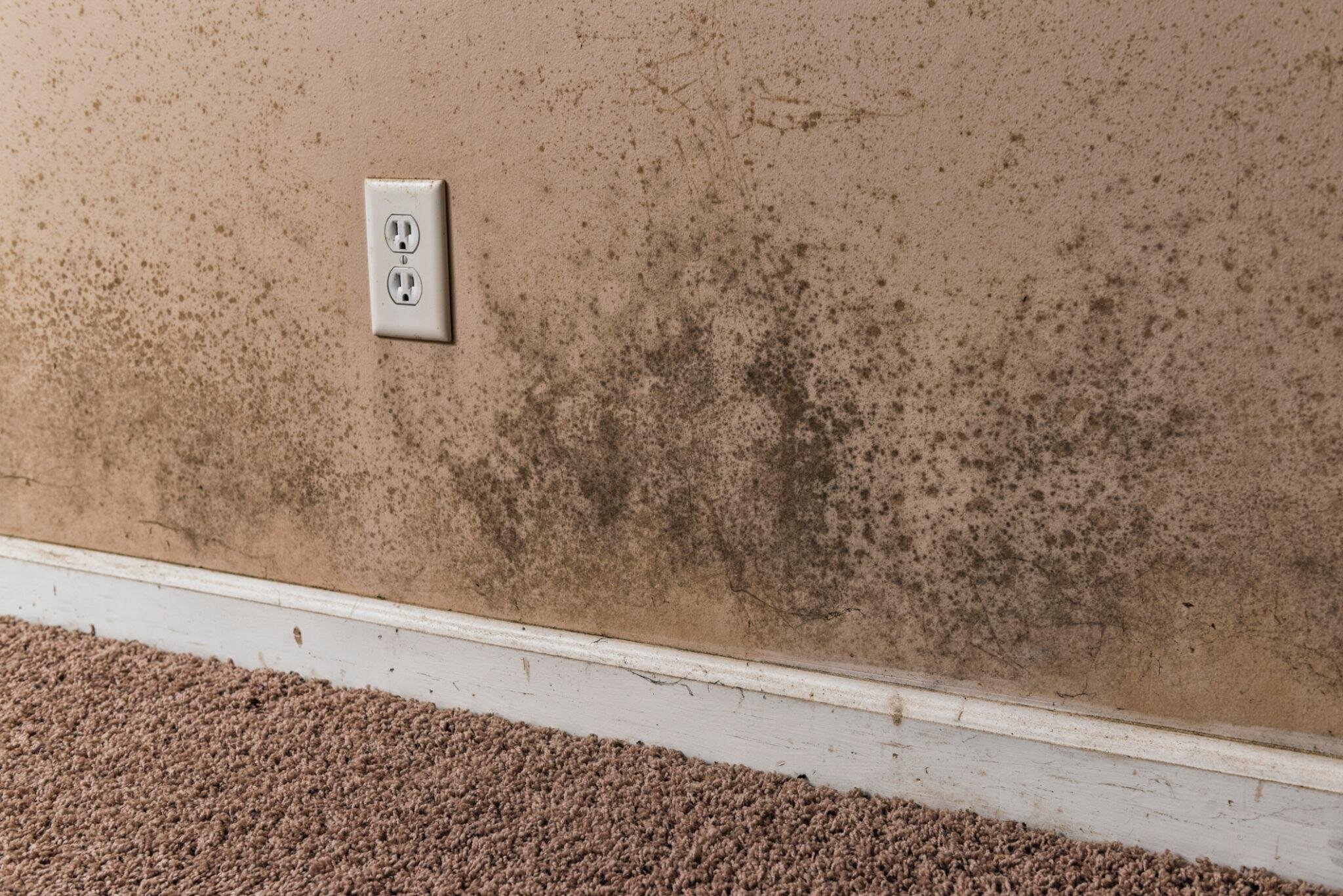
You want to sell your Wilmington house, but a buyer notices dark spots on a basement wall or a musty smell near the stairs. Perhaps a past roof leak left stains behind the drywall. Now you are wondering whether remediation must happen before the property can be listed, whether the buyer’s lender will object, and how much the problem could reduce your proceeds.
You can potentially sell a house with mold in Wilmington, DE, without completing remediation yourself. The practical route depends on the moisture source, extent of damage, Delaware disclosure requirements, and the buyer’s financing and contract terms. You may choose to remediate, negotiate an as-is listing, or compare a direct cash offer.
The safest financial decision starts with understanding the condition—not hiding it or assuming every spot requires an expensive renovation. This guide focuses on mold-related selling decisions rather than repeating general water-damage advice.
Can You Sell a House With Mold in Wilmington, DE?
Yes, potentially. Delaware does not impose a blanket requirement that every seller complete mold remediation before a residential property changes hands. However, contractual promises, material-defect disclosures, unsafe conditions, and lender requirements can affect whether a particular sale closes.
For example, a buyer paying cash may consider a house with documented basement moisture at a price reflecting the work. A financed buyer could need the condition evaluated or corrected before the lender will fund the loan. Neither outcome is guaranteed.
Selling as-is does not mean you can conceal known mold or promise a property is safe without evidence. It generally means the parties negotiate who, if anyone, will perform repairs before settlement. The exact purchase agreement controls.
Why Mold Develops in Wilmington Houses
Mold grows when moisture remains available on susceptible materials. Delaware’s Division of Public Health mold guidance identifies roof and plumbing leaks, flooding, poor drainage, and excessive indoor humidity as common contributing conditions.
In Wilmington, the relevant details depend on the building, not simply its neighborhood. An older rowhouse may have a basement that stays damp after rain; a renovated property may have an improperly vented bathroom; another home may develop moisture after a roof or supply-line failure.
Basement Dampness and Water Intrusion
Look for staining near foundation walls, musty odors, damaged stored belongings, and recurring condensation. A damp basement does not establish the exact type or extent of microbial growth, but it warrants investigation.
Roof, Plumbing, and Ventilation Problems
Leaks can leave moisture in wall cavities or insulation even after the visible surface dries. Poor bathroom ventilation and unvented dryers can create repeated humidity problems. The EPA’s guide to mold and moisture explains why moisture control is essential to preventing regrowth.
This article addresses selling with mold specifically. For flood damage, drying, and repairs more broadly, see our Seaford water-damaged house guide.
Is It Mold, Mildew, or an Old Water Stain?
A photograph or discoloration alone cannot reliably establish what caused a mark. A prior leak may leave a stain after drying; active growth may appear in different colors and textures. A musty smell can also suggest a hidden moisture problem.
Do not advertise a suspicious patch as “harmless mildew” without an adequate basis. Conversely, do not tell buyers a house is contaminated throughout simply because an isolated stain appeared.
Document what you observe: where it is, whether it has spread, any known leaks, and prior repairs. An experienced moisture or remediation professional can help assess uncertain or extensive conditions.
Do You Need a Mold Test Before Selling?
Not automatically. Both the Delaware Division of Public Health and EPA guidance on mold sampling explain that routine testing is usually unnecessary when mold is visibly present. Identifying and correcting moisture is generally more useful.
Testing can serve a specific purpose when growth is suspected but hidden, a dispute requires documentation, or a qualified professional recommends sampling as part of a defined investigation. There is no federal numerical limit that establishes a universally “safe” indoor mold-spore count.
A report saying one sample was lower than another should not be marketed as proof that every room is mold-free. Ask what the sampling actually examined, and retain the complete report for relevant disclosures and negotiations.
What Should You Do Before Listing a House With Mold?
Start by making the property safe and organizing facts buyers may reasonably request. This does not necessarily mean ordering complete remediation.
- Locate the moisture source. Determine whether a plumbing leak, roof issue, drainage problem, or persistent humidity is involved.
- Check whether water is still entering. Active leaks can worsen damage and affect occupants even when the property will be sold as-is.
- Photograph existing conditions. Record affected areas before work begins and retain relevant inspection reports.
- Gather repair history. Find invoices for roof, plumbing, drainage, drying, or previous remediation work.
- Request an appropriate estimate. If the issue is substantial, ask for separate figures for moisture-source repairs, removal of affected materials, and reconstruction.
- Review disclosures and listing language. Be accurate about what is known and what remains uncertain.
If the house has significant mold or contaminated floodwater, avoid disturbing affected materials without qualified advice. The CDC’s mold guidance notes heightened risks for some people with asthma, allergies, or weakened immune systems. Address immediate safety concerns even if you decide not to renovate.
How Much Could Mold Remediation Cost?
There is no reliable flat price per house. A small accessible patch and extensive growth behind finished basement walls require different work. Costs also depend on whether the source is a leaking pipe, defective roof, or recurring drainage problem.
Ask a qualified contractor to separate the estimate into investigation, moisture correction, containment and removal, drying, reconstruction, and any follow-up evaluation. A quote that covers only treating the visible surface may exclude the work most likely to prevent recurrence.
The EPA’s mold cleanup recommendations describe circumstances in which homeowners may address small areas themselves, but recommend additional caution for substantial damage or contamination. Their roughly 10-square-foot guideline is not a legal clearance threshold or assurance that every smaller problem is safe to tackle without help.
For larger jobs, evaluate a contractor’s experience, references, scope, and whether independent assessment is appropriate. The EPA’s guidance on hiring mold professionals explains that EPA itself does not certify mold-remediation firms.
For properties within Wilmington city limits, substantial remediation involving structural changes or electrical or plumbing alterations may require permits. Before approving major reconstruction, review the City of Wilmington’s construction and development requirements. Ask the appropriate department which approvals apply so that permit expenses and inspections are included in the estimate.
Older Wilmington Homes: Check for Lead-Safe Renovation Requirements
If cleanup requires removing painted drywall or trim in a pre-1978 Wilmington house, mold is not the only issue to consider. Renovation work that disturbs older painted surfaces can also trigger lead-safe work practices and contractor requirements. Delaware’s guidance for renovation contractors explains the state’s lead renovation rules. Ask whether the remediation estimate accounts for any applicable requirements before comparing it with an as-is offer. Do not assume a wall can safely be opened and replaced as ordinary cosmetic work.
Delaware Mold Disclosure Requirements When Selling
Under 6 Delaware Code §§ 2572–2573, covered residential sellers must disclose known material defects in writing. The required disclosure must be made before signing a listing agreement and updated as necessary when material conditions change before settlement. Prospective buyers must receive the property’s condition report before making an offer.
Delaware’s Seller’s Disclosure of Real Property Condition Report asks whether the property has ever been tested for mold and, if so, calls for the results. It also addresses water leakage, dampness, drainage problems, roof issues, and related repairs.
What If You Found Mold but Never Tested It?
You still need to answer the disclosure accurately. A “no” answer to whether testing occurred does not cancel the obligation to disclose a known material defect elsewhere as required. Explain confirmed conditions and available information without claiming knowledge you do not have.
Must You Disclose Mold That Was Removed?
The answer depends on what is known, what the disclosure form asks, and whether a material issue remains. Preserve remediation invoices and information about the underlying moisture problem. Do not conceal a past recurring leak by painting over staining or discarding relevant reports.
Does Selling As-Is Remove Disclosure Duties?
No. An as-is contract ordinarily allocates repair responsibilities; it does not automatically exempt a seller from disclosure law. Certain statutory transfer exemptions exist, and unusual estate or court-related transactions deserve legal review. For a conventional homeowner sale, assume accuracy and transparency are essential.
Can Mold Prevent a Buyer From Getting a Mortgage?
It can complicate financing, but there is no reliable rule that every mold observation causes automatic denial. The extent of deterioration, appraisal findings, lender standards, and loan program matter.
Fannie Mae’s property-condition guidance requires appraisers to report relevant adverse conditions and describes procedures when dampness or other defects appear. A lender may require evidence that a condition was corrected or a qualified professional’s assessment, depending on the circumstances.
A seller credit does not necessarily satisfy a lender that requires remediation before closing. Likewise, a buyer’s desire to proceed does not override the lender’s property requirements.
Before negotiating a concession, ask the buyer’s lender what documentation or work would actually permit funding. That can save you from agreeing to a discount that fails to solve the closing problem.
What If a Home Inspection Discovers Mold?
The next step depends on the buyer’s inspection contingency and applicable deadlines. The buyer might ask for further evaluation, remediation, a seller credit, a lower price, or contract cancellation when permitted by the agreement.
For example, a buyer may request a $15,000 concession based on a preliminary basement estimate. Before agreeing, ask whether the estimate includes moisture correction and reconstruction, and whether the loan permits the proposed credit.
Do not promise that a surface treatment will resolve the finding. If the buyer requests work, define the required scope and any documentation or reinspection in writing.
Our Newark failed-home-inspection guide covers inspection contingencies and earnest-money issues in more detail.
Four Ways to Sell a Wilmington House With Mold
1. Remediate First, Then List
This may be appropriate when the source and scope are known, the work is affordable, and removing the problem is likely to improve marketability. Get professional estimates and confirm what documentation the buyer or lender may request. Do not assume the work will add dollar-for-dollar value.
2. List As-Is and Disclose the Condition
A buyer comfortable with repairs may accept a reduced price. Market the property based on its actual condition, rather than presenting affected rooms as fully restored. A traditional listing provides broad exposure, but financing and inspection objections may reduce the pool of purchasers.
3. Negotiate a Credit or Price Adjustment
If a buyer is already under contract, a concession may keep the transaction alive. However, seller credits must meet applicable loan limits, and required repairs may still prevent funding. Use an itemized estimate rather than assuming the buyer’s initial demand is correct.
4. Compare a Direct Cash Offer
Some professional buyers consider houses with visible mold or substantial water-related repairs. Such an offer may avoid requiring the seller to complete renovation before marketing, but its price typically reflects anticipated work, uncertainty, and resale expenses.
A direct sale is not guaranteed to close, and cash buyers may still inspect and negotiate contingencies. Learn how Dynamic Property Solutions buys Delaware houses and review our guide to evaluating cash home buyers before deciding.
Wilmington Example: Compare Your Net Proceeds
Imagine a Wilmington rowhouse with basement mold related to a recurring moisture problem. Its owner receives a hypothetical remediation and moisture-repair estimate, then compares three ways to sell.
The figures below are illustrative only—not Wilmington market prices, contractor quotes, or actual offers from Dynamic Property Solutions.
| Financial factor | Remediate and list | List as-is | Direct cash sale |
|---|---|---|---|
| Selling price | $315,000 | $294,000 | $270,000 |
| Mortgage payoff | $174,000 | $174,000 | $174,000 |
| Mold and moisture work | $17,000 | $0 | $0 |
| Selling and settlement costs | $19,000 | $18,000 | $6,000 |
| Additional holding expenses | $4,000 | $6,000 | $2,000 |
| Estimated net proceeds | $101,000 | $96,000 | $88,000 |
Here, remediation and listing produces $5,000 more than listing as-is, and $13,000 more than the hypothetical direct sale. Those differences disappear or reverse if remediation costs rise, the selling price falls, or a buyer cannot obtain financing.
The best choice is not necessarily the fastest closing or highest advertised price. Compare actual written offers, repair estimates, holding costs, and the probability of completion. Settlement charges, unpaid liens, and other transaction-specific costs can change the result.
Will Homeowners Insurance Cover Mold Cleanup?
Possibly, depending on why the damage occurred and what your policy covers. Mold associated with a sudden covered event may be treated differently from deterioration, long-term seepage, poor maintenance, or flooding.
Do not assume coverage simply because the home is insured. Review the actual policy, exclusions, limitations, and claims process. Ask the insurer about the underlying water event and any remediation-related coverage before authorizing work based on an expected payout.
For major water intrusion, the EPA’s flooded-home guidance recommends documenting damage and contacting the insurer before cleanup, when safe to do so. Do not delay urgent steps needed to protect occupants or prevent further damage while sorting out paperwork.
What If the House Is Vacant, Inherited, or Tenant-Occupied?
Vacant: Without someone noticing leaks or managing humidity, damage may spread. Keep appropriate insurance, utilities, and security arrangements in place. See our Delaware vacant-house guide.
Inherited: A personal representative or heirs may need to establish authority to sell and handle related estate obligations. Our Wilmington probate guide explains those requirements.
Tenant-occupied: Moisture complaints, inspection access, and lease responsibilities must be handled according to applicable law. Wilmington’s Residential Rental Property Program requires registration, licensing, and inspections for rental properties within city limits. The city’s inspection guidance addresses water-damaged surfaces and property-maintenance conditions. See our Delaware tenant-occupied property guide for additional selling considerations.
Mistakes to Avoid When Selling a House With Mold
- Covering the problem with fresh paint. This does not correct moisture or fulfill disclosure duties.
- Paying for testing without a clear purpose. Visible growth often calls for assessment and moisture correction instead.
- Comparing incomplete estimates. Removal, drying, leak repairs, and rebuilding may be priced separately.
- Assuming a credit guarantees financing. The lender may require the condition corrected before funding.
- Promising a completely mold-free house. The EPA explains that mold spores exist naturally; credible statements should describe documented work, not absolute guarantees.
- Waiting while active water damage grows. Even an as-is seller should address immediate safety and property-protection concerns.
Checklist Before Selling a Mold-Affected Wilmington Property
- Identify visible growth, odors, stains, and known leak locations.
- Investigate whether the moisture source is still active.
- Document the condition and collect previous reports or invoices.
- Seek qualified advice for extensive or concealed damage.
- Obtain estimates separating cleanup from moisture-source repairs.
- Review homeowner insurance and relevant claim records.
- Complete Delaware disclosures accurately and update when required.
- Verify any buyer financing or inspection requirements.
- Compare realistic net proceeds from available selling options.
- Keep written agreements, reports, and settlement documentation.
Read our Delaware home-selling FAQs for questions about direct property purchases.
Frequently Asked Questions About Selling a House With Mold in Wilmington, DE
Can I sell a house with mold in Wilmington, DE without remediation?
Potentially, yes. A buyer may accept the property as-is, but disclosure duties, financing requirements, and the contract still apply.
Does Delaware require sellers to disclose mold?
Covered sellers must disclose known material defects and accurately complete the state condition report, including relevant mold-testing and moisture information.
Is a professional mold test required before selling?
Not automatically. Delaware health officials and the EPA generally do not recommend routine testing when mold is visibly present.
Can I sell a house with black mold in Wilmington?
Potentially. Color alone does not establish a mold’s identity or risk. Assess the condition and moisture source, disclose known material defects, and review buyer requirements.
Will a mortgage lender approve a house with mold?
It depends on the condition, appraisal, loan program, and lender. Some situations require professional evaluation or corrective work before closing.
Can I offer a credit instead of fixing the mold?
Sometimes. Both parties must agree, the credit must meet financing rules, and it may not replace lender-required repairs.
How much less is a mold-affected home worth?
There is no standard discount. The extent of damage, repair uncertainty, competing offers, and financing options influence the final price.
Will a cash buyer purchase a Wilmington house with mold?
Some buyers will consider it, but offers reflect condition and risk. The buyer may still inspect, negotiate terms, and require clear title.
Explore Your Selling Options in Wilmington, DE
Mold does not automatically make your Wilmington house impossible to sell. It does make accurate information especially valuable. Determine where moisture is entering, understand the condition, and compare the net result of remediation, an as-is listing, or a direct purchase.
Dynamic Property Solutions considers houses in Wilmington and other Delaware communities, including some properties with mold or water-related repair needs. A direct offer may allow you to explore selling without completing major renovations first, subject to the property’s condition and agreed terms.
Visit our Wilmington home-buying page, learn about Dynamic Property Solutions, or request a no-obligation offer. You can also contact our team or call (302) 222-2901 to discuss the property.
Before spending money on remediation or accepting a lower price, compare your actual options and estimated proceeds.
Disclaimer: This article provides general educational information, not legal, medical, environmental, insurance, or financial advice. Individual disclosure duties, remediation requirements, financing conditions, and closing terms depend on the facts and applicable law. Consult qualified Delaware professionals before making binding decisions.