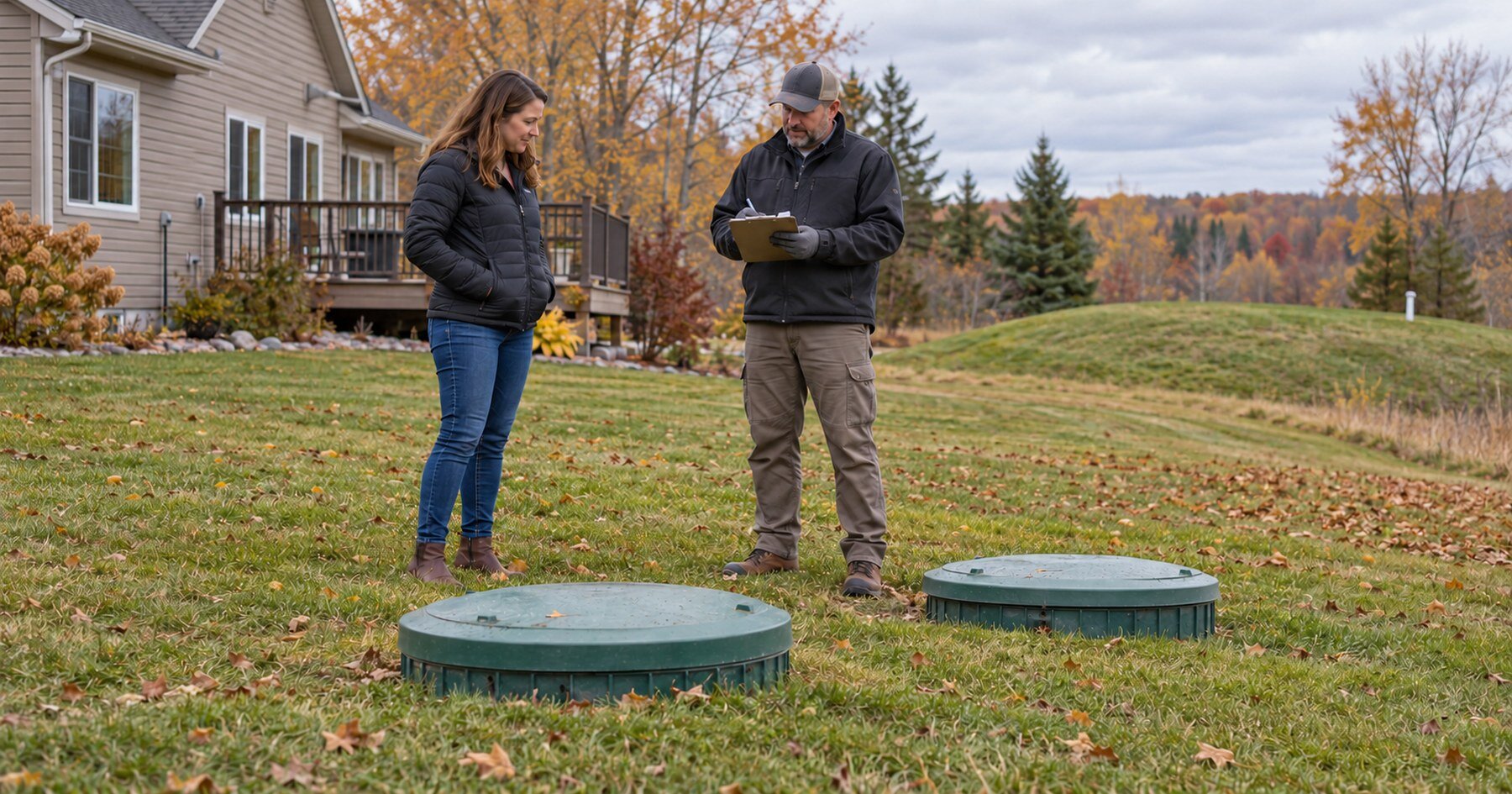
You were preparing to sell your Milton home when a Class H septic inspection identified a problem. Perhaps wastewater is backing up, the drainfield is saturated, or the inspector found an older system that requires replacement. Now the buyer is worried, your closing date is uncertain, and you are wondering whether you must pay for everything before selling.
You may be able to sell a house after a failed septic inspection in Milton, DE, without completing all corrective work yourself. But Delaware regulates septic inspections and repairs. An as-is contract or cash offer does not automatically eliminate DNREC requirements.
The best next step is to understand the actual inspection findings, confirm the acceptable correction, and compare the costs of repairing, relisting, or negotiating another sale. This guide explains the Delaware rules and the decisions that matter to your proceeds.
Can You Sell a House After a Failed Septic Inspection in Milton?
Yes, potentially. A failed inspection does not automatically make the property impossible to transfer. It does, however, raise compliance, financing, and disclosure questions that need answers before closing.
A damaged distribution box may be relatively straightforward to replace. A failing drainfield could need extensive site work. An abandoned cesspool may trigger a different regulatory requirement altogether.
Obtain the complete written report rather than relying on someone saying the system “failed.” Identify the problem, any DNREC notices, and whether the inspector recommends further evaluation. A full system replacement is not the only possible outcome, but neither the seller nor buyer should assume repairs can be skipped.
Does Delaware Require a Septic Inspection Before a Home Sale?
Generally, yes, for covered transfers involving an on-site wastewater treatment and disposal system. Under 7 DE Admin. Code 7101, the system ordinarily must be pumped by a Class F licensed liquid-waste hauler and inspected by a Class H licensed inspector before the sale is completed.
Inspectors submit the approved report to Delaware’s Department of Natural Resources and Environmental Control (DNREC). The standard reporting deadline is 72 hours after inspection completion.
Do Previous Inspections Count?
A documented qualifying pump-out and inspection completed within the previous 36 months may satisfy the transfer requirement if the regulatory conditions are met; cesspools and seepage pits are not eligible for this exception. Certain newly installed systems may rely on a recent certificate of completion. Other documentation alternatives apply to qualifying licensed-operator or service contracts.
Keep the actual records. A verbal assurance or an old pumping invoice is not necessarily sufficient.
Are Cash Sales Exempt From Inspection?
No. The regulations provide an inspection extension of up to 90 days after the sale for qualifying cash sales, short sales, sheriff’s sales, and auctions. That is an extension for the inspection—not a waiver of inspection requirements or permission to ignore an already identified failure.
Before structuring a closing around an extension, confirm the applicable process with DNREC, the settlement professional, and any lender involved.
Do All Homes With a Milton Address Use Septic?
No. Some properties use centralized sewer while others rely on individual on-site systems. A Milton mailing address does not establish whether the parcel lies inside town limits or which wastewater provider serves it.
Check utility bills, prior permits, the recorded property information, and available wastewater documents before scheduling an unnecessary inspection. DNREC’s residential septic resource explains systems and permits, while its Class H inspection-record search can help locate prior reports.
If the property’s connection status remains uncertain, verify it with the appropriate local utility and DNREC rather than guessing on disclosures.
What Does a Class H Septic Inspection Examine?
The Class H inspection differs from a general home inspection. It addresses the existing on-site wastewater system, its components, and its observable operating condition.
Tank and Distribution Components
Inspectors may identify structural damage, deteriorated baffles, improperly functioning distribution boxes, or unusual wastewater levels. A defective tank component does not necessarily establish that the drainfield has failed.
Drainfield and Wastewater Disposal
Ponding, abnormal liquid levels, backups, and other findings can point to inadequate treatment or dispersal. Determining whether the soil disposal area needs replacement may require additional evaluation.
Pumps and Advanced Systems
Alternative systems can include pumps, alarms, and specialized treatment components. Certain systems require Class H inspectors with additional DNREC-approved training for the technology involved.
The DNREC Class H inspection form shows the type of information documented. Ask for the complete report, not just a verbal summary.
Why Might a Milton Septic System Fail?
Failures vary from localized defects to major disposal problems. Common examples include damaged tank components, failing pumps, saturated drainfields, unapproved modifications, and older prohibited system designs.
The DNREC septic-maintenance guide describes warning signs including slow drains, plumbing backups, sewage odors, and damp ground over the disposal area.
A symptom alone does not establish the repair. Ask a licensed professional to distinguish an accessible mechanical defect from a problem involving the soil treatment area. That difference can substantially change both the cost and closing plan.
What Happens After an Unsatisfactory Class H Report?
DNREC reviews submitted inspection information for compliance. If a system receives an unsatisfactory rating, the appropriate corrective work depends on the condition and regulatory requirements.
A repair may be sufficient for some problems; others require modification, system replacement, or approved abandonment. Under the regulations, after work addressing an unsatisfactory Class H rating, another Class H inspection must be completed or documentation outlining the completed corrective work must be submitted to DNREC.
Request written clarification about the next required step. Do not accept an estimate that assumes the entire system must be replaced without establishing why.
What About Cesspools and Seepage Pits?
Delaware prohibits these older disposal arrangements. Under Section 5.4.6.3.20 of the on-site wastewater regulations, discovered cesspools and seepage pits must be replaced within one year. Prohibited metal tanks and metal distribution boxes also require replacement under applicable rules.
A private as-is agreement does not negate the regulations. Verify the actual system type before describing an older installation as merely needing maintenance.
How Much Does Septic Repair or Replacement Cost in Milton?
There is no trustworthy fixed price for every property. Replacing a distribution component is a different project from designing an engineered drainfield, relocating utilities, and restoring the yard.
Ask qualified professionals for an itemized estimate covering investigation, soil evaluation, design, permits, equipment, excavation, installation, inspections, and restoration. A preliminary figure that excludes engineering or site constraints can mislead the seller during negotiations.
DNREC’s permit-fee schedule identifies government fees, but those charges are not the complete installed cost. A compliant new system may require a Class D soil scientist, a licensed designer, and a licensed Class E contractor.
What If the Lot Cannot Support a Conventional System?
Soil conditions, high groundwater, available space, or nearby wells may require an engineered or alternative design. The DNREC approved-system information identifies technologies reviewed for use in Delaware.
Only a property-specific assessment can establish which options are acceptable. If the proposed design requires additional land or an easement, address that before committing to a purchase price or closing date.
Can You Repair the Septic System Before Selling?
Yes, if the work is permitted and feasible. Repairing first may reduce buyer uncertainty and avoid last-minute lender objections. But the final cost can increase after excavation or site evaluation, and permits may delay settlement.
Ask the contractor and DNREC what documentation will establish completion. Keep permits, inspection results, invoices, and any final approval.
Do not assume every dollar spent on a replacement increases the resale price by a dollar. Compare the expected net proceeds and realistic timeline with an appropriately structured as-is transaction.
Can a Buyer Purchase the House Before Repairs Are Finished?
Possibly, but a buyer’s willingness to accept the system is not a substitute for DNREC compliance. The seller, buyer, attorney, and settlement professional need to determine what work is required, when it must occur, who is responsible, and whether the proposed arrangement is permissible.
Get the agreement in writing. A clause stating “buyer assumes septic repairs” does not itself establish that the regulators or the buyer’s lender will allow closing.
If the house is already under contract, review the septic or inspection contingency and its notice deadlines. A buyer requesting replacement does not automatically create an agreed seller obligation. Have the agent document any negotiated extensions, credits, or repair responsibilities in a signed amendment. Relying on an informal assurance that the buyer “will handle it” can leave both parties with an unresolved condition at closing.
Will the Buyer Qualify for a Mortgage?
The answer depends on the property condition and loan program. Conventional, FHA, VA, and USDA financing can involve different requirements. The HUD FHA Single Family Housing Policy Handbook is a relevant source for FHA property standards.
The lender may require satisfactory inspection documents, completed corrections, or further evaluation. A seller credit or lower price may help negotiate costs but will not necessarily satisfy a lender’s property-condition rule.
Ask the lender what must happen before funding rather than assuming an as-is contract or cash concession resolves the problem.
Delaware Disclosures After a Failed Septic Inspection
Under the Delaware Buyer Property Protection Act, covered residential sellers disclose known material defects in writing, subject to statutory exemptions. Disclosure is required before signing a listing agreement and must be updated as necessary for material changes before settlement. The property-condition report must reach a prospective buyer before the buyer makes an offer.
Delaware’s Seller’s Disclosure of Real Property Condition Report includes wastewater-related questions.
If the inspection failed after listing, accurately update the relevant information and retain the report and correspondence. Do not suggest a system passed if an unresolved unsatisfactory result exists.
Selling as-is does not automatically eliminate disclosures or wastewater obligations. Ask a Delaware attorney whether any statutory exception applies to an unusual estate or court-related transfer.
Four Ways to Sell After a Failed Septic Inspection
1. Repair and Continue the Existing Sale
When the defect is limited and the buyer remains committed, an approved repair may preserve the transaction. Confirm the scope, documents needed for the lender, and any revised closing dates before paying a contractor.
2. Replace the System, Then Market the House
When repairs cannot bring the system into compliance, a replacement may remove uncertainty for a broader buyer pool. Compare the total project cost—including design, permits, and holding expenses—with realistic listing proceeds.
3. Negotiate an As-Is Sale With a Qualified Buyer
A buyer may accept responsibility for some work, but the transaction still must meet DNREC and lender requirements. The purchase agreement should explain the agreed condition, deadlines, and how the parties will address corrective obligations.
4. Compare a Direct Cash Offer
Some professional buyers consider Milton properties with septic problems. Offers may reflect the cost and risk of corrective work, so the price can be lower than a retail listing. Cash does not eliminate inspections, legal requirements, or clear-title concerns.
Review how Dynamic Property Solutions buys houses and our guide to evaluating cash buyers before deciding.
Milton Example: Comparing Net Proceeds
Imagine a Milton-area seller receives an unsatisfactory Class H inspection and a preliminary estimate for an approved corrective project. The owner compares three hypothetical offers.
These are illustrative figures—not Milton market averages, contractor bids, or offers from Dynamic Property Solutions.
| Financial factor | Repair and list | List as-is | Direct cash sale |
|---|---|---|---|
| Selling price | $350,000 | $323,000 | $296,000 |
| Mortgage payoff | $212,000 | $212,000 | $212,000 |
| Septic corrective work | $24,000 | $0 | $0 |
| Selling and settlement costs | $21,000 | $20,000 | $7,000 |
| Additional holding costs | $5,000 | $6,000 | $3,000 |
| Estimated net proceeds | $88,000 | $85,000 | $74,000 |
Under these assumptions, repair and listing leaves $3,000 more than listing as-is and $14,000 more than the direct cash sale. The as-is scenarios presume the transaction can legally close with an acceptable compliance arrangement and financing, where applicable. That is not guaranteed.
If corrective work costs more than expected, the balance changes. Compare actual written offers, itemized estimates, required approvals, and closing risks before deciding.
Can DNREC Help Pay for Septic Replacement?
Possibly, but the timing of your sale matters. DNREC’s Septic Rehabilitation Grant Program assists qualifying low-income homeowners with failing systems or eligible sewer connections.
Under the 2026 grant application, applicants must own and occupy their primary residence, meet household-income requirements, and satisfy other eligibility conditions. Rental properties, second homes, and applicants owning additional properties are ineligible under the stated rules.
A property currently listed for sale or under a binding purchase contract is ineligible for this grant. For someone already negotiating a sale, that restriction is critical. Do not promise grant-funded work or list the home expecting approval without verifying eligibility first.
The program may cover qualified site evaluation, design, construction, permitting, and sewer-connection costs. It does not generally cover routine pump-outs or maintenance. Check current requirements and funding availability directly with DNREC before making financial commitments.
What If Public Sewer Is Available?
Access to a nearby sewer line does not prove a parcel is connected or that connection is inexpensive. Ask the appropriate wastewater utility and DNREC whether a connection is available, required, or permissible.
A connection may require excavation, fees, plumbing work, and proper abandonment of the old septic system. Compare its complete cost with approved on-site replacement rather than assuming the sewer option will be cheaper.
For a property with a Milton mailing address, confirm the actual provider and jurisdiction instead of assuming town utilities serve the parcel.
What If the House Is Vacant, Inherited, or Under Financial Pressure?
Vacant: A lightly used system may have limited evidence of ordinary operating performance. Ask the Class H inspector about evaluation requirements. Our Delaware vacant-house guide covers related holding costs.
Inherited: The estate or heirs may need to establish selling authority before agreeing to repairs or transferring the property. Read our Smyrna inherited-house guide.
Financial hardship: A seller already behind on payments may have little cash for replacement. Our Wilmington foreclosure guide discusses sale and deadline considerations.
The septic compliance question remains separate from these financial or ownership problems.
Mistakes to Avoid After a Failed Septic Inspection
- Assuming failure means full replacement. Identify the precise defect first.
- Hiring the wrong contractor. Verify Delaware licensing and required permits.
- Treating cash as an exemption. Limited inspection extensions do not erase compliance duties.
- Concealing the report. Update applicable disclosures accurately.
- Using a credit without lender approval. The lender may still require repairs.
- Counting on a grant while listed. Current program restrictions may make the property ineligible.
Checklist Before Selling a Milton House With Septic Problems
- Confirm whether the property uses septic or public sewer.
- Obtain the complete Class H report and any prior records.
- Identify the failing component and whether further evaluation is needed.
- Ask DNREC which correction and documents are required.
- Obtain itemized estimates from properly licensed professionals.
- Check whether the buyer’s financing permits the proposed arrangement.
- Update required disclosures and keep supporting reports.
- Compare repair, replacement, traditional as-is, and direct-sale proceeds.
- Confirm compliance responsibilities and closing conditions in writing.
- Retain permits, final inspections, correspondence, and settlement records.
For additional questions, see our Delaware home-selling FAQs.
Frequently Asked Questions About Selling a House With a Failed Septic Inspection in Milton, DE
1. Can I sell my house after a failed septic inspection in Milton, DE?
Potentially. Applicable DNREC requirements, seller disclosures, and purchase or financing conditions must be addressed.
2. Does Delaware require a septic inspection before selling?
Generally, yes, for covered on-site systems. Qualifying previous documentation and limited transaction extensions may apply.
3. Does a failed septic inspection mean I need a new system?
Not always. Some components can be repaired; other failures require major work or replacement.
4. Can I sell my Milton house as-is with a failed septic system?
Potentially, but an as-is agreement does not waive DNREC requirements, lender conditions, or disclosures.
5. How much does septic replacement cost in Delaware?
It varies by soil, design, excavation, permits, and system type. Obtain a property-specific estimate.
6. Can a buyer get a mortgage with a failed septic inspection?
Possibly. The lender may require completed repairs or acceptable documentation before funding.
7. Are cash sales exempt from Delaware septic inspections?
No. Qualifying cash sales may receive an inspection extension of up to 90 days, not a blanket exemption.
8. Can a cash buyer purchase a Milton house with septic problems?
Some may, subject to agreed terms, property condition, and applicable compliance requirements.
Explore Your Selling Options in Milton, DE
A failed septic inspection does not automatically end a sale. What matters is identifying the problem, establishing an acceptable compliance plan, and comparing realistic financial outcomes.
Dynamic Property Solutions considers direct purchases in Milton and other Delaware communities, including some houses with major repair needs. A no-obligation offer may be one option to compare, subject to the property’s condition, legal selling authority, wastewater requirements, and the purchase agreement.
Visit our Milton home-buying page, learn about Dynamic Property Solutions, request a cash offer, or contact our team. You can also call (302) 222-2901 to discuss the property.
For related situations, read our Bear major-repairs guide and Newark failed-inspection guide.
Before paying for replacement or agreeing to a reduced price, confirm the actual corrective requirements and compare your estimated net proceeds.
Disclaimer: General information only, not legal, wastewater engineering, environmental, mortgage, or financial advice. Inspection rules, approvals, seller responsibilities, and closing requirements depend on the property and circumstances. Consult DNREC and qualified Delaware professionals before making binding decisions.