Sell a Fire-Damaged House in Wilmington, DE: Your Options
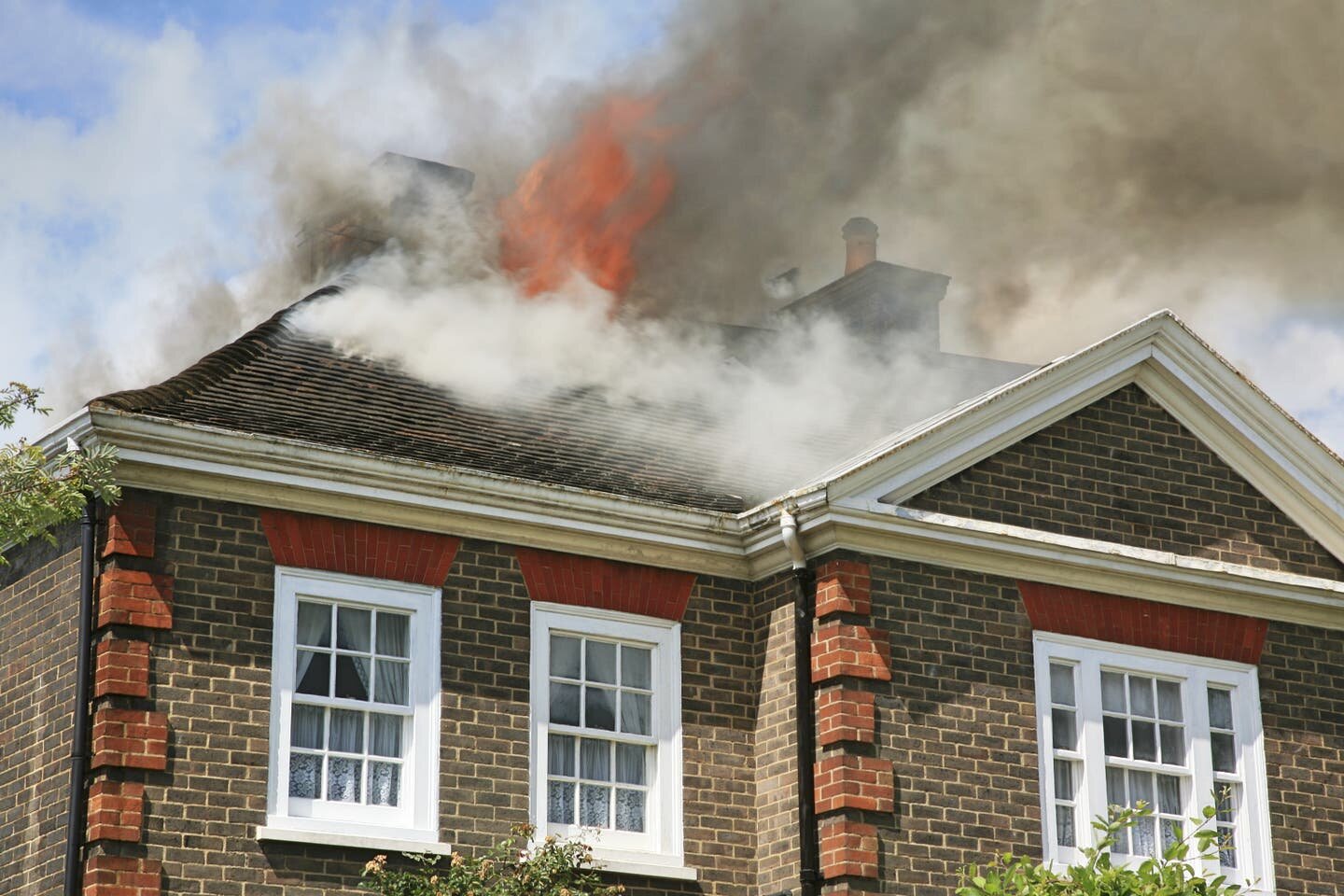
A house fire can leave a Wilmington homeowner facing decisions that extend far beyond repairing burned walls. Smoke can spread through ventilation systems, firefighting water can damage floors and insulation, and intense heat may affect structural components that appear intact.
The financial questions can be just as difficult. Should you restore the house before listing it? Can you sell while an insurance claim remains open? What happens if Wilmington requires inspections, permits, or other approvals?
You may be able to sell a fire-damaged house in Wilmington, DE, without completing major repairs. However, the property’s condition, insurance arrangements, applicable city requirements, and buyer’s terms can affect the transaction.
This guide explains what to check after a fire, how Wilmington’s requirements may affect your options, and how to compare restoring the property with selling as-is.
Can You Sell a Fire-Damaged House in Wilmington, DE?
Yes. A fire-damaged house in Wilmington can generally be sold, including in its current condition, provided the owner has authority to sell and the transaction complies with applicable requirements.
Selling as-is does not necessarily mean restoring the property first. However, known defects, municipal restrictions, unresolved liens, and contractual obligations still matter.
The first step is understanding the damage and determining what must be addressed before a buyer can take ownership.
Understand the Full Extent of Fire Damage
The visible damage may represent only part of the problem. A property with a relatively small burned area can still require substantial professional work.
Structural and Heat Damage
High temperatures can weaken framing, roof components, floor systems, and other building materials.
For Wilmington rowhouses or attached properties, damage near shared walls may require closer examination of structural and fire-rated assemblies.
A qualified professional should evaluate questionable structural conditions before anyone begins demolition or renovation.
Smoke and Soot Contamination
Smoke can move through stairwells, ducts, and wall openings into rooms that were not directly exposed to flames.
Cleaning may involve removing contaminated materials, treating affected surfaces, and addressing persistent odors.
Painting over smoke stains without proper remediation may leave underlying problems unresolved.
Water and Moisture Damage
Water used during firefighting can saturate drywall, flooring, insulation, and concealed building spaces.
If moisture remains trapped, deterioration and mold growth may follow.
The EPA’s guide to mold and moisture explains why controlling moisture is essential.
Electrical and Mechanical Problems
Fire can damage wiring, electrical panels, heating equipment, plumbing, and ventilation systems.
These systems may require evaluation, repair, and applicable inspections before safe operation.
Do not assume a house is safe to enter or occupy simply because the fire has been extinguished.
What to Do Before Selling a Fire-Damaged Wilmington House
Taking the right steps immediately after a fire can help protect the property and preserve important records.
1. Confirm the House Is Safe to Enter
Follow instructions from the fire department and other responsible authorities.
The American Red Cross’s home-fire recovery guidance recommends waiting for official confirmation that a damaged home is safe before entering.
If the structure has restricted-access notices, damaged supports, exposed wiring, or suspected gas leaks, do not enter without appropriate authorization.
2. Document the Damage
Once entry is permitted, collect photographs, videos, contractor assessments, and available insurance records.
Keep copies of:
- Fire incident and investigation reports
- Insurance policy information and claim correspondence
- Photographs of damaged areas
- Contractor estimates and inspection findings
- Emergency repair invoices
- Utility disconnection notices
- Municipal notices and permit documents
For local incident records, consult Wilmington’s Fire Incident Report Request Form.
An incident report can provide useful background, but it does not replace a structural inspection.
3. Prevent Additional Damage
When authorities allow it, consider temporary weather protection, securing openings, and preventing unauthorized access.
Discuss emergency work with the insurance company before beginning substantial repairs.
Preserve receipts and avoid disturbing areas involved in an active investigation.
Can You Sell a Fire-Damaged House With an Open Insurance Claim?
An open insurance claim does not automatically prevent a property sale. However, selling before the claim is resolved can create financial and contractual questions.
Review Your Insurance Coverage
Coverage depends on your policy, the cause of the loss, applicable exclusions, deductibles, and other terms.
Some policies distinguish between actual cash value and replacement-cost payments. Additional reimbursement may depend on completing repairs or meeting other policy requirements.
Ask the insurer which expenses are covered and whether the current assessment includes smoke remediation, water damage, debris removal, and necessary structural work.
Clarify What Happens to Insurance Proceeds
Before accepting an offer, determine:
- Whether the insurer has completed its investigation
- Whether additional documentation is required
- Whether remaining payments depend on restoration
- Whether the mortgage lender has an interest in claim proceeds
- Whether the purchase agreement addresses unresolved claims
- Who will be responsible for outstanding repairs
A buyer does not automatically receive the seller’s insurance claim merely by purchasing the property.
Likewise, a seller should not assume that every future payment can be retained after closing without reviewing the policy and sale agreement.
What If the Insurance Claim Is Disputed?
Ask the insurer for a written explanation and review the relevant policy provisions.
If the disagreement remains unresolved, the Delaware Department of Insurance provides consumer assistance and a complaint process.
For significant losses, consider appropriate legal or insurance-claim assistance before committing to a sale based on an expected payout.
Wilmington Fire Marshal Requirements After a House Fire
Fire-damaged buildings may require additional review before reconstruction.
The Wilmington Fire Marshal’s Plan Review Process addresses building plans involving fire damage, renovations, occupancy changes, and fire protection systems.
However, requirements depend on the building type and proposed work.
Single-Family Homes and Duplexes
The city’s guidance identifies exceptions for certain detached single-family homes and two-family dwellings.
This means a damaged detached house does not necessarily follow the same Fire Marshal plan-review process as a larger attached residential building.
The exception does not eliminate other building, electrical, plumbing, mechanical, or safety requirements.
Attached Buildings With Three or More Units
Wilmington’s guidance separately addresses attached dwelling units in groups of three or more, including review of required fire-rated separation walls.
This can be relevant when a fire affects a row of attached residential buildings or a larger residential property.
Before planning reconstruction, confirm how the property is classified and which approvals apply.
Ask Before Beginning Major Repairs
Provide the Fire Marshal’s Office with the property address, building type, known fire damage, and proposed work.
Ask whether plan review, inspections, or additional documentation will be necessary.
A restoration contractor’s estimate is useful, but it should not substitute for confirmation from the responsible authorities.
Building Permits and Inspections in Wilmington
Restoring a fire-damaged house may involve more than removing debris and replacing finishes.
The city’s Construction and Development Review guidance explains the permitting process for construction, alterations, repairs, and demolition.
Structural reconstruction, electrical work, plumbing, and mechanical changes may require permits and inspections.
Minor Repairs Versus Major Reconstruction
Not every project requires identical approval.
Wilmington’s Land Use and Planning FAQ identifies limited work that may be performed without a permit, alongside projects that do require one.
Repairing cosmetic damage is different from rebuilding a fire-damaged load-bearing wall.
Confirm the requirements for the actual work rather than assuming all fire restoration is exempt or that every repair needs the same permit.
Confirm Municipal Jurisdiction
Some properties use a Wilmington mailing address but fall outside city limits.
Before relying on Wilmington’s requirements, confirm the property’s actual municipality and parcel location.
Different authorities may be responsible for permits or fire-safety review outside city boundaries.
What If the House Is in a Wilmington Historic District?
Wilmington contains older residential properties whose exterior features may be subject to historic-preservation requirements.
For a fire-damaged home in a designated historic district, replacing windows, altering a façade, rebuilding a porch, or demolishing damaged sections may require additional review.
The city’s Historic Preservation and Design Review guidance explains oversight of City Historic Districts and Neighborhood Conservation Districts.
For example, restoring a damaged exterior on a designated historic property in or near one of Wilmington’s older neighborhoods may involve different design considerations from work on an unrestricted property.
However, a building’s age or neighborhood name alone does not establish historic-district status.
Check the property’s designation before assuming special approvals apply.
These requirements may affect restoration expenses, construction schedules, and a buyer’s plans for the building.
What Happens If a Fire-Damaged Wilmington House Becomes Vacant?
A major fire may leave a house unoccupied for weeks or months while the owner investigates insurance coverage, repairs, or selling options.
The City of Wilmington requires properties covered by its vacant-property program to be registered with the Department of Licenses and Inspections.
If a fire leaves your house unoccupied, confirm whether the property meets the program’s registration requirements and whether fees or exemptions apply.
The city explains the process on its Register a Vacant Property page.
Expenses Can Continue While the House Is Empty
Potential costs include:
- Mortgage payments and property taxes
- Insurance premiums or coverage adjustments
- Temporary securing and weather protection
- Utilities and ongoing maintenance
- Inspections, permits, and professional assessments
- Applicable municipal registration fees
A house can become more expensive to hold even when no one is living there.
Our guide to selling a vacant house in Delaware explains how vacancy can affect selling decisions.
Before closing, confirm whether the property has outstanding municipal charges, violations, or recorded obligations.
How Much Does Fire-Damage Restoration Cost?
The cost depends on the affected area, severity of damage, building construction, and necessary repairs.
A contained kitchen fire with limited structural impact is different from a fire that damages several floors or the roof of an attached house.
Restoration estimates may include structural repairs, smoke cleanup, drying, electrical replacement, mechanical work, debris disposal, and permits.
Older homes may present additional concerns when damaged materials are disturbed.
For covered renovations involving pre-1978 housing, the EPA’s Renovation, Repair and Painting Program provides information about lead-safe work requirements.
If potentially hazardous materials are present, seek qualified professional guidance before disturbing them.
Should You Repair Everything Before Selling?
Not necessarily.
The relevant comparison is the amount you may receive after restoration, selling expenses, and holding costs, compared with the proceeds from selling the property in its current condition.
Get written assessments when possible and distinguish confirmed damage from estimates based on limited access.
A low initial repair quote is not necessarily a complete restoration budget.
Three Ways to Sell a Fire-Damaged House in Wilmington, DE
Each selling method has different financial advantages and risks.
1. Restore the House and List It Traditionally
Restoration may attract more buyers, especially those seeking a home that qualifies for conventional financing.
This approach can make sense when the property is structurally repairable, the expected increase in value justifies the work, and sufficient funds are available.
However, the homeowner must account for project management, contractor availability, permit approvals, unexpected damage, and carrying costs.
Best suited for: Owners who can finance and manage the restoration and whose projected net proceeds justify the work.
2. List the Fire-Damaged Property As-Is
An as-is listing can expose the property to investors and renovation-focused buyers without requiring the owner to complete every repair.
The potential buyer pool may be smaller than for a move-in-ready property, particularly when damage affects safety or mortgage financing.
An agent familiar with Wilmington’s distressed-property market can help establish an appropriate asking price.
Best suited for: Owners who want open-market exposure but prefer not to complete extensive renovations.
3. Explore a Direct Cash Sale
Some cash buyers evaluate damaged properties based on their current condition, expected repair costs, location, and potential future use.
A direct sale may reduce the preparation and marketing steps required from the seller.
However, an offer may be lower than the price achievable after successful renovation.
An as-is transaction also does not automatically eliminate title issues, municipal restrictions, or legal disclosure requirements.
Learn how Dynamic Property Solutions reviews properties and explains offers before deciding whether a direct sale fits your circumstances.
Best suited for: Owners who want to compare a direct offer with the time, expense, and uncertainty of restoration or traditional listing.
Wilmington Example: Restoring a Fire-Damaged House vs. Selling As-Is
The following is a hypothetical financial illustration, not an actual Wilmington sale or offer from Dynamic Property Solutions.
Suppose a Wilmington homeowner owns a house with substantial kitchen, smoke, and water damage.
A restoration contractor estimates that the house will require electrical work, remediation, interior reconstruction, and selected structural repairs.
The owner considers two approaches.
| Illustrative financial factor | Restore and list | Direct as-is sale |
|---|---|---|
| Estimated sale price | $285,000 | $195,000 |
| Fire restoration and repairs | $60,000 | $0 |
| Selling and settlement expenses | $15,000 | $2,000 |
| Additional holding costs | $6,000 | $1,000 |
| Estimated proceeds before excluded obligations | $204,000 | $192,000 |
In this example, restoring and listing produces $12,000 more after the listed expenses.
However, the owner would need to fund and manage $60,000 in repairs, accept a longer timeline, and account for the possibility of unexpected costs.
The comparison excludes insurance proceeds, deductibles, mortgage payoffs, liens, property taxes, and other obligations.
Insurance payments could significantly change either outcome.
The best choice depends on actual written offers, reliable repair estimates, available insurance funds, and the owner’s financial circumstances.
Delaware Disclosure Requirements for Fire-Damaged Houses
Selling a property as-is does not automatically eliminate disclosure responsibilities.
Delaware’s Buyer Property Protection Act generally requires sellers in covered residential transactions to disclose known material defects in writing, subject to statutory exceptions.
Fire-related conditions may include structural damage, smoke contamination, unrepaired building systems, or other known defects.
Keep records of completed repairs, contractor findings, and unresolved property conditions.
If only part of the building has been restored, do not describe the entire house as fully repaired.
A seller should also avoid making representations that conflict with inspection reports or known municipal notices.
Some transactions qualify for statutory exclusions, so the applicable requirements should be assessed individually.
An as-is agreement is not permission to conceal known material defects.
If the disclosure requirements are uncertain, consult a Delaware real estate attorney or qualified real estate professional.
Selling a Fire-Damaged Wilmington House: Tenants, Estates, and Mortgages
Tenant-Occupied Properties
A fire involving a rental property can create questions about habitability, access, repairs, and lease obligations.
Do not assume a fire automatically terminates every tenancy or eliminates the owner’s legal responsibilities.
Review the circumstances and applicable law before arranging access or a sale.
Our Delaware tenant-occupied house selling guide explains related considerations.
Inherited Fire-Damaged Properties
If the house belongs to a deceased owner’s estate, the legally authorized parties must be identified before completing a sale.
Insurance matters, title requirements, estate administration, and creditor obligations may all affect the transaction.
Read our guide to selling inherited property in Delaware for background.
Mortgage and Foreclosure Concerns
Fire damage does not automatically cancel mortgage obligations or stop an existing foreclosure process.
If payments are overdue or deadlines are approaching, contact the loan servicer and obtain appropriate professional advice.
Checklist Before Selling a Fire-Damaged Wilmington House
Use this checklist to organize the most important decisions.
- Confirm the property is safe to enter. Follow fire department and municipal instructions.
- Document the damage. Retain photographs, reports, and repair estimates.
- Review insurance arrangements. Understand claim payments, deductibles, and outstanding requirements.
- Obtain professional assessments. Identify structural, electrical, smoke, and moisture problems.
- Confirm municipal jurisdiction. Determine which government authorities oversee the property.
- Check permit and inspection requirements. Ask whether reconstruction or fire protection review is required.
- Review historic-preservation restrictions. Confirm whether special approvals affect the proposed work.
- Address vacancy obligations. Check registration, insurance, security, and maintenance.
- Prepare accurate disclosures. Identify known defects, repairs, and outstanding notices.
- Compare net proceeds. Consider restoration costs, selling expenses, insurance payments, and written offers.
- Review the purchase agreement. Clarify responsibility for unfinished work and unresolved claims.
- Confirm settlement requirements. Verify title, liens, payoffs, and closing documents.
For general questions about the direct-sale process, visit our Delaware home-selling FAQ page.
Frequently Asked Questions About Selling a Fire-Damaged House in Wilmington, DE
1. Can I sell a fire-damaged house in Wilmington, DE?
Yes. You can generally sell a fire-damaged house as-is, subject to applicable disclosure requirements, municipal restrictions, title issues, and agreed purchase terms.
2. Do I have to repair fire damage before selling my Wilmington house?
Not always. Some buyers purchase fire-damaged properties as-is. Required repairs depend on applicable regulations, property conditions, financing, and the purchase agreement.
3. Can a cash buyer purchase a fire-damaged house in Wilmington?
Possibly. Some cash buyers consider fire-damaged homes. Their decision depends on structural condition, estimated repairs, location, title, and buying criteria.
4. Do Wilmington fire-damage repairs require permits?
Often, yes. Structural and building-system repairs may require permits. Certain buildings also require Fire Marshal review, although exceptions apply to some one- and two-family homes.
5. Can I sell my house while a fire insurance claim is open?
Often, yes. However, unresolved claims can affect insurance payments, lender interests, and contract terms. Confirm the arrangements with your insurer and settlement professional.
6. Must I disclose previous fire damage when selling in Delaware?
Generally, yes, for covered residential sales. Sellers must disclose known material defects, including relevant fire damage. Certain statutory exemptions apply.
7. Do I need to register a vacant fire-damaged house in Wilmington?
Wilmington requires registration for properties covered by its vacant-property program. Check whether your house qualifies and whether fees or exemptions apply.
8. Can I sell a Wilmington house that is unsafe to occupy after a fire?
Possibly. Disclose applicable safety restrictions and confirm outstanding municipal notices, required approvals, and responsibility for corrective work before closing.
Explore Your Options for Selling a Fire-Damaged House in Wilmington, DE
After a fire, homeowners may face insurance negotiations, restoration costs, municipal requirements, and ongoing property expenses at the same time.
You do not have to choose a selling method based solely on the first contractor estimate or purchase offer.
Dynamic Property Solutions considers direct property purchases in Wilmington and other Delaware communities, including houses that may need extensive repairs.
If you own a fire-damaged property, you can request an evaluation and ask whether a no-obligation cash offer may be possible.
Every property is reviewed individually, and purchase terms depend on the condition, title, and circumstances.
Visit our Wilmington home-buying page, learn more about Dynamic Property Solutions, or request a cash offer.
You can also contact our team or call (302) 222-2901 to discuss your property.
There is no obligation to accept an offer. Compare the proposed price, closing terms, insurance considerations, and other selling options before making your decision.
Disclaimer: This article provides general educational information, not legal, insurance, construction, financial, or fire-safety advice. Requirements depend on the property’s condition, jurisdiction, insurance policy, and transaction. Consult qualified professionals and responsible authorities before entering a damaged structure, undertaking major repairs, or signing a purchase agreement.